Hot Games
 Hot
Stunt Games

Bike & Off-Road Games
New Games
All new games →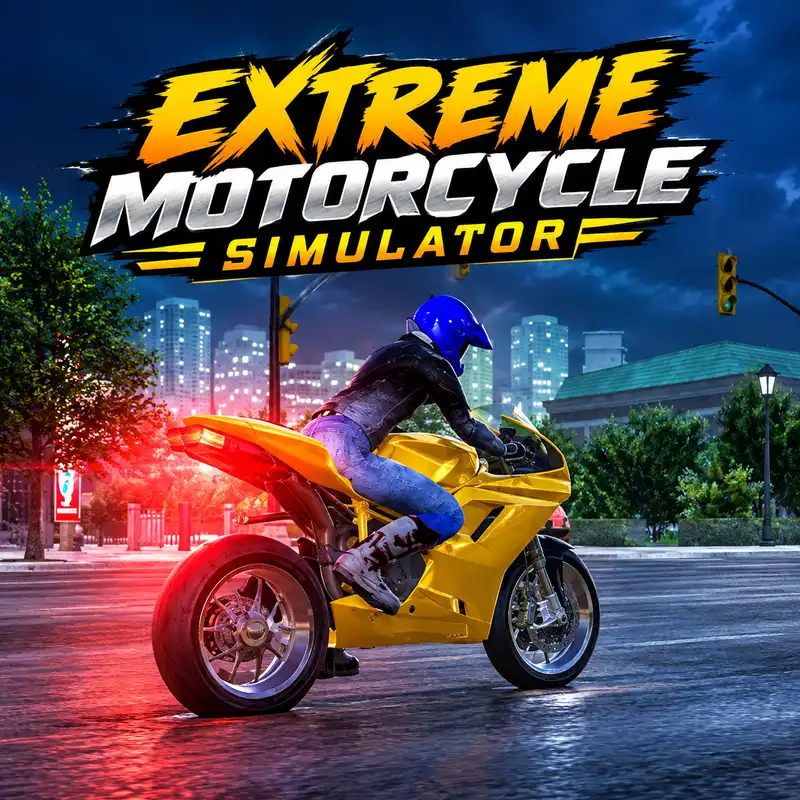


Free Stunt, Drift & Racing Games — Play Instantly in Your Browser
Pick a game, click it, drive. That's the whole pitch behind Drive Stunt Games — a browser arcade stacked with stunt courses, drift tracks, traffic racers, off-road rides, and a handful of police chases, none of which need an app, an account, or a download. Load the page, load the game, go.
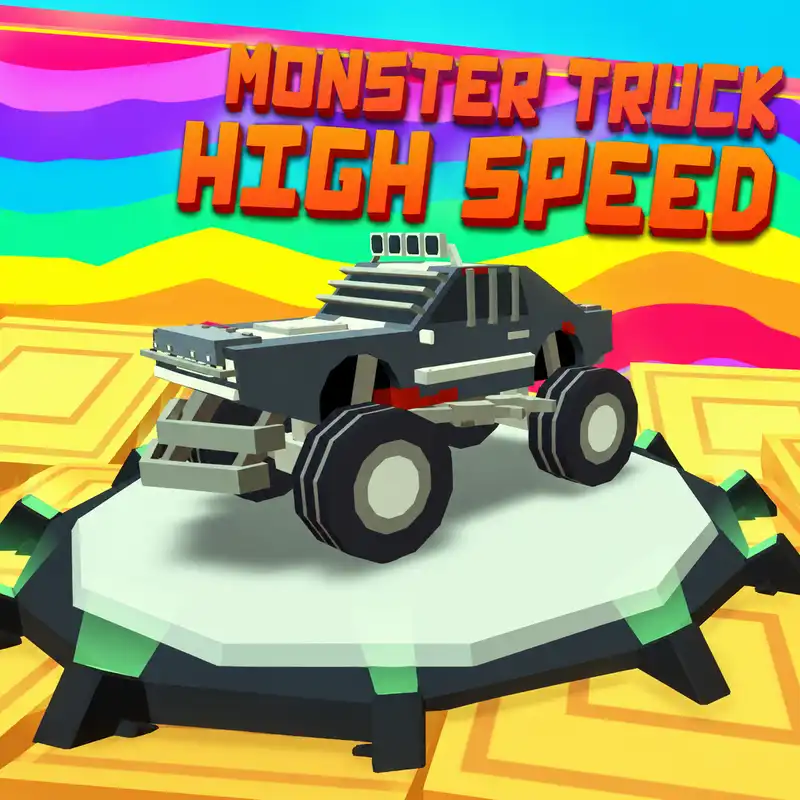
The site runs everything through eight categories — Car, Stunt, Drift,Racing, Traffic Racing, Bike, Off-Road, and Police Chase — and none of them are decoys with two or three games hiding behind a fancy label. Trial Mania, Monster Truck High Speed, Drift Escape, Overtake X, Escape Road Winter, Wheelie Master, Grand Extreme Racing — dozens of active titles, tagged Hot when they're pulling players and New when they just landed, so you're never guessing what's worth clicking.
Show more
No Downloads, No Waiting — Just Click and Drive
Try downloading a driving game on your phone right now and count the steps: find it in the store, check the size, wait for it to pull down, let it install, sit through a splash screen, maybe a tutorial, before you've touched a single control. Here, none of that exists. The game loads in the tab you already have open. Close it and it's gone — nothing sitting in storage, nothing to update later, nothing to uninstall.
That's not a small convenience for this kind of game. Stunt and drift games are five-minute games. You're not carving out an evening for them the way you would for an open-world game with a map full of icons — you want to land a jump, beat a lap time, drift a corner clean, and move on with your day. A download step in front of that kills the whole point. So it's gone.
It also means trying something new costs nothing. Charger City Driver looks interesting but you're not sure? Click it. Didn't land right for you? Back to the list, no storage wasted, no regret about a download you now have to go delete.
Hot Games Right Now
The Hot row is the fastest way to see what's currently pulling the most players, and it's worth walking through a few names on that list that haven't come up yet.
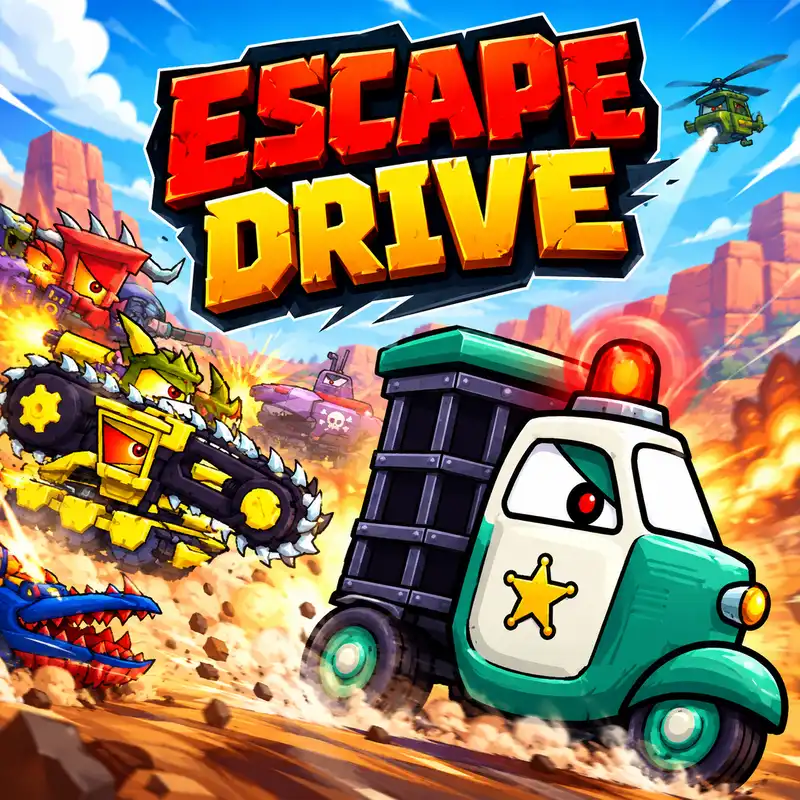
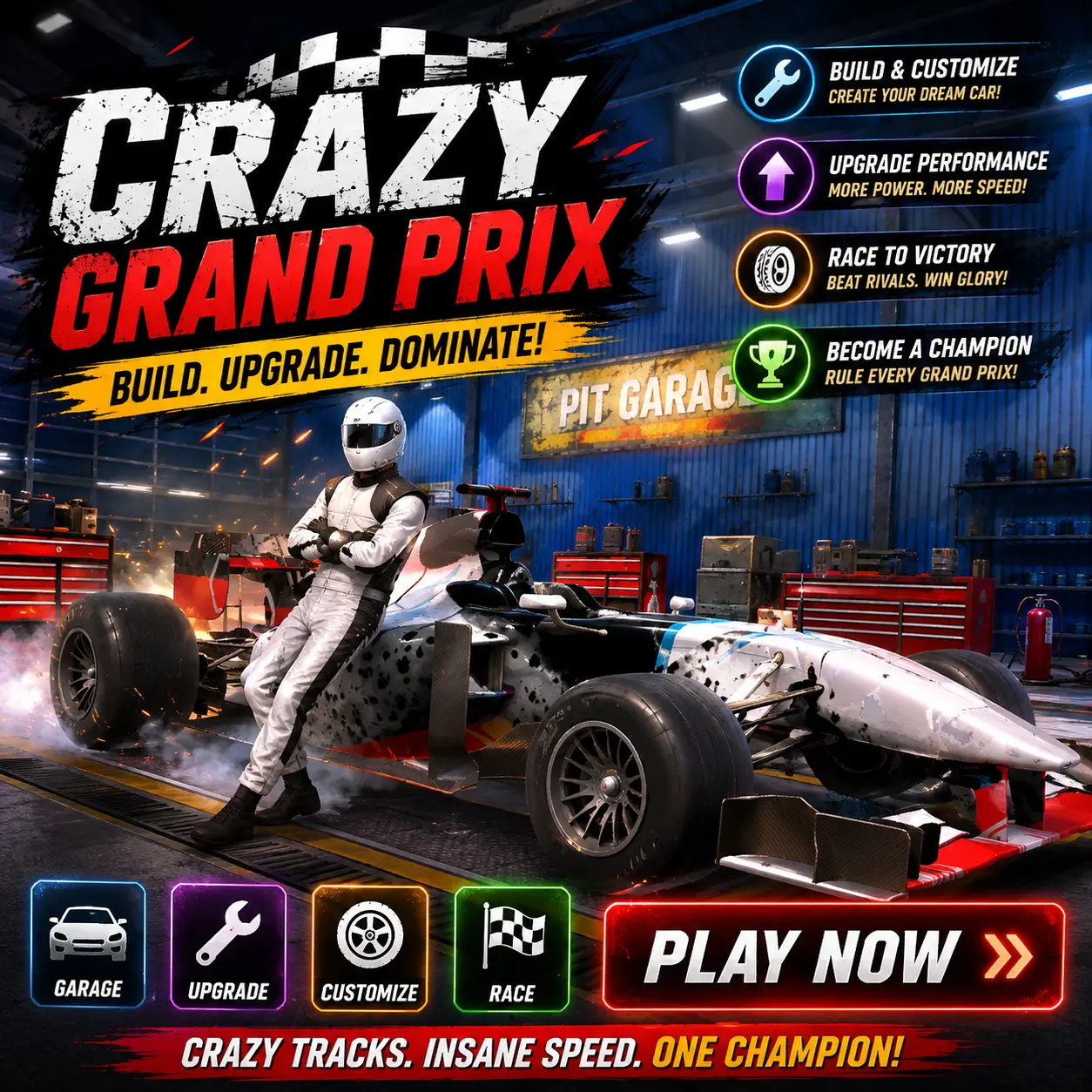
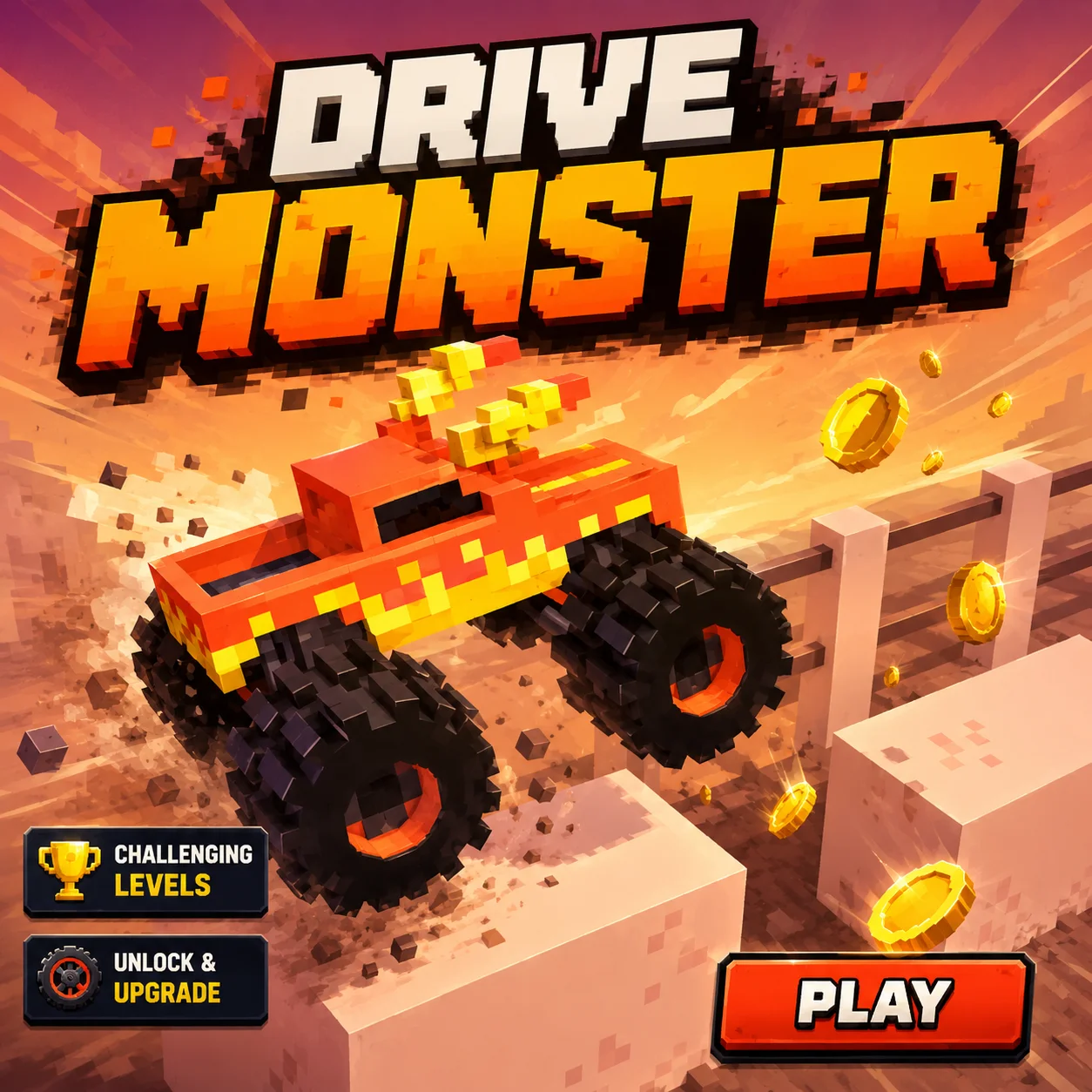
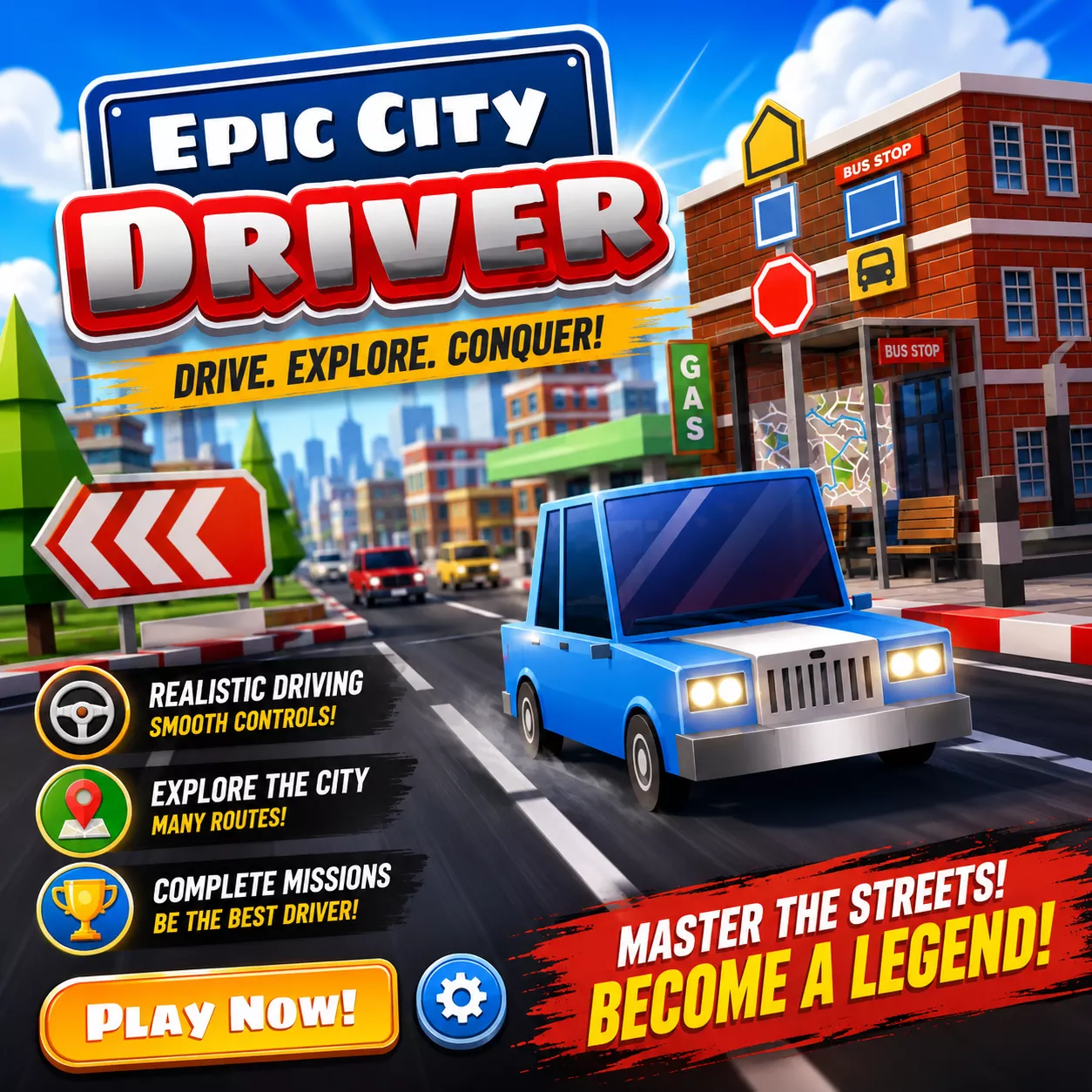
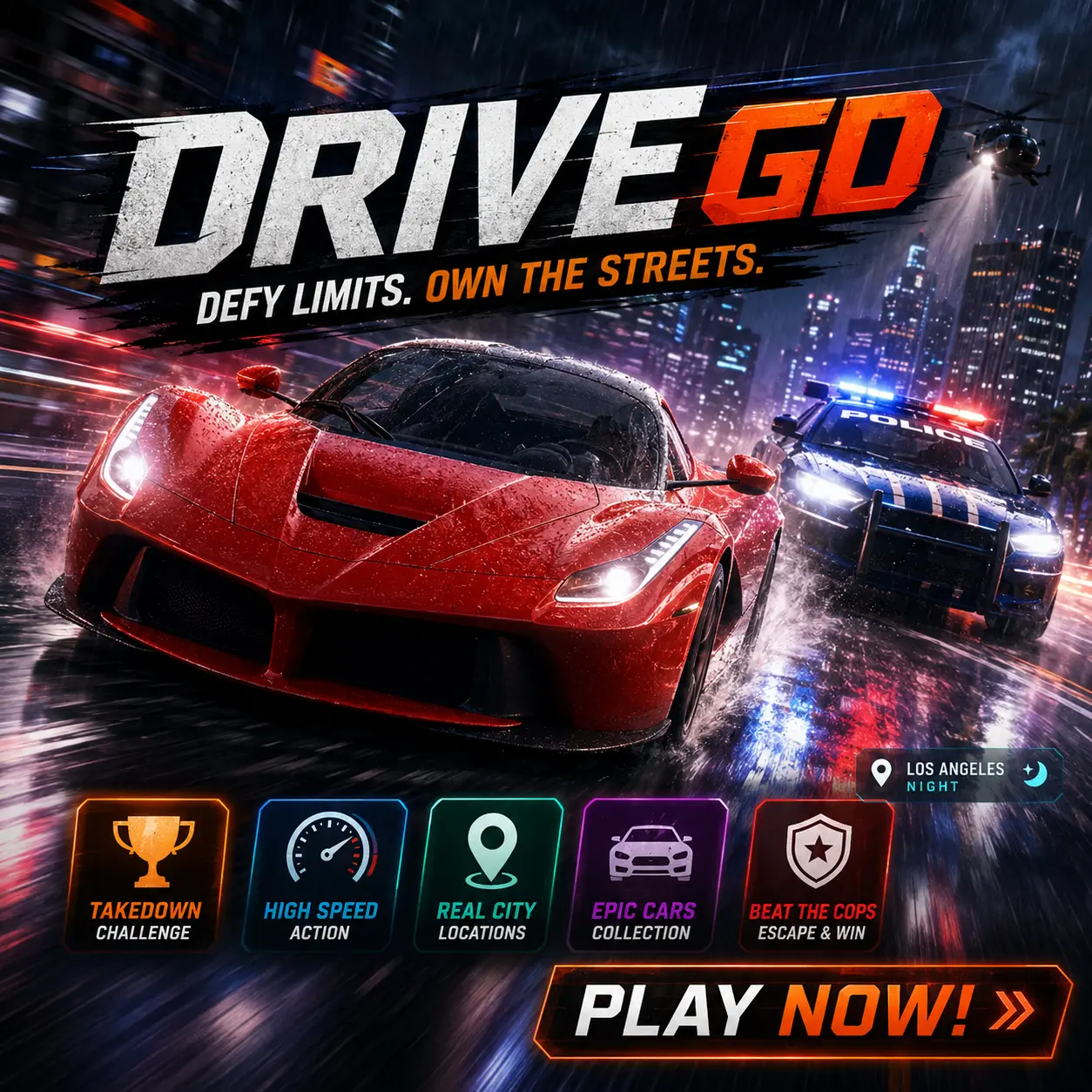
Escape Drive sits at the top of the racing side of Hot — a clean, checkpoint-driven course that's become something of a default recommendation for anyone asking where to start with straight racing.Drive Monster and Epic City Driver cover the off-road-and-city crossover ground, big trucks handling city obstacles they were never built for, which is a strange combination on paper that works better than it sounds. Unlim Racing leans into open, high-speed layouts rather than tight technical ones, which makes it a good pick for players who want speed without weaving through much traffic.Grand Extreme Racing and Crazy Grand Prix both sit on the more competitive end of the racing category — more opponents on track at once, less room to recover from a bad start.
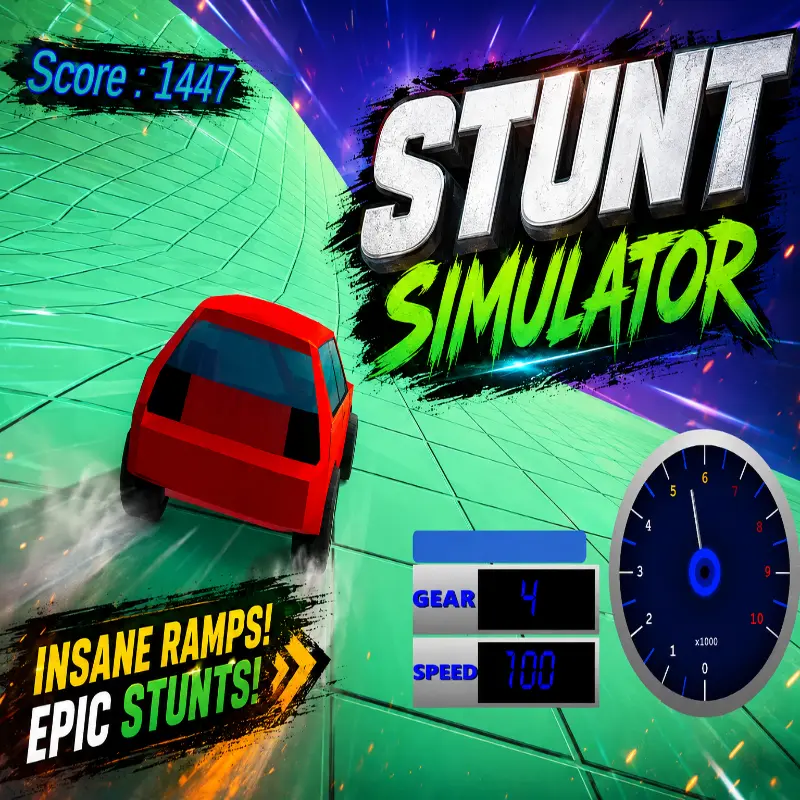
Stunt Simulator is the one Hot title that comes with a dedicated full write-up and player guide rather than just a thumbnail, which is a fair reflection of how much is actually going on in the course — enough tricks, ramps, and course variety that a single description doesn't cover it the way a shorter game would. Worth checking directly if the stunt category has already grabbed your attention.
The Hot list isn't static month to month either — it shifts as newer titles pick up enough play to earn the tag and older ones settle into steady, if less headline-grabbing, popularity. Checking back on this row specifically is a faster read on "what's good right now" than browsing category pages from scratch.
Newest Additions
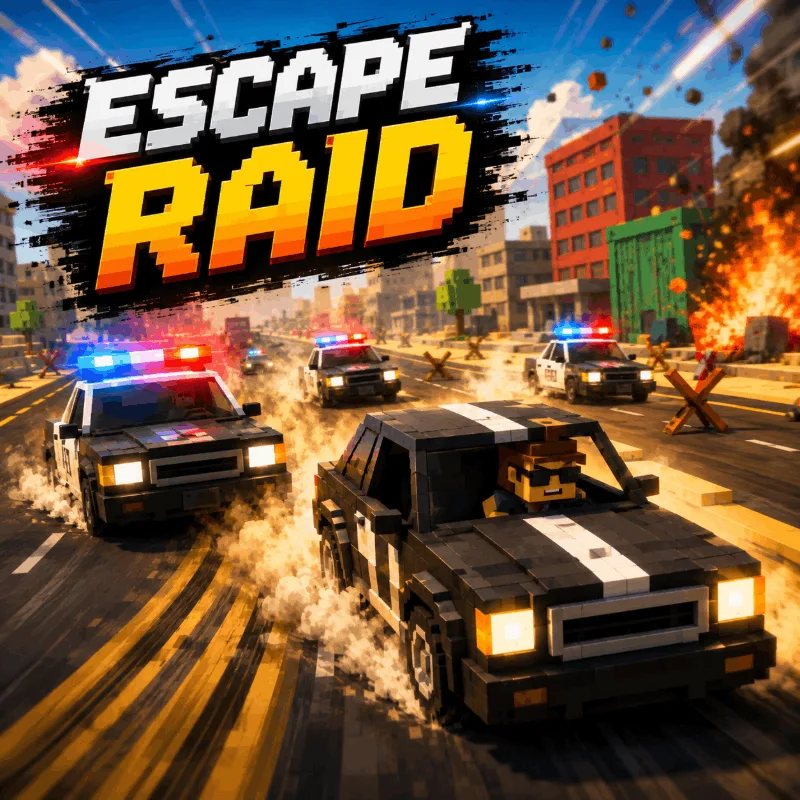
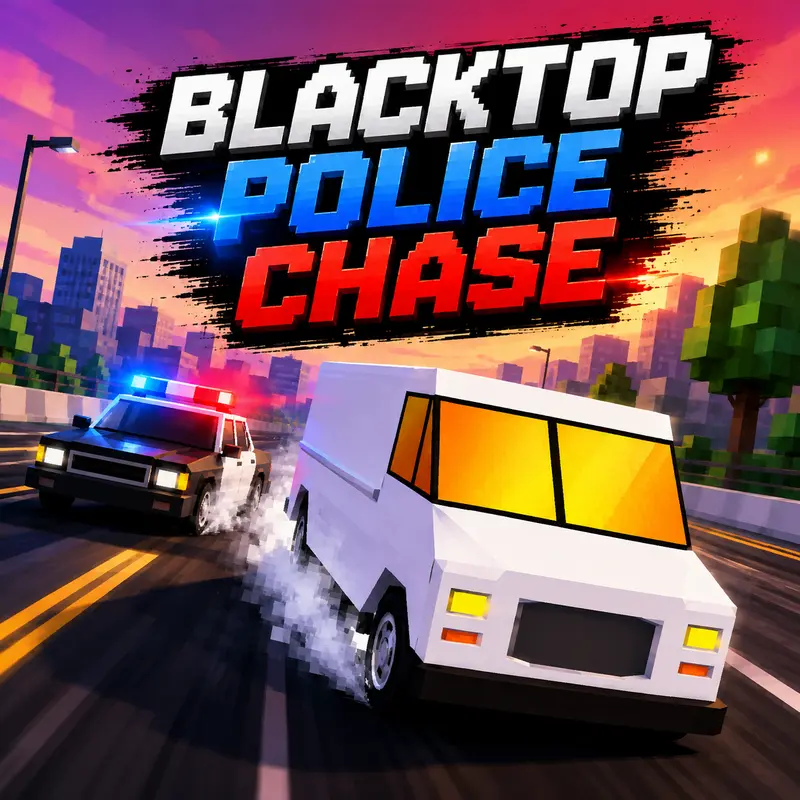
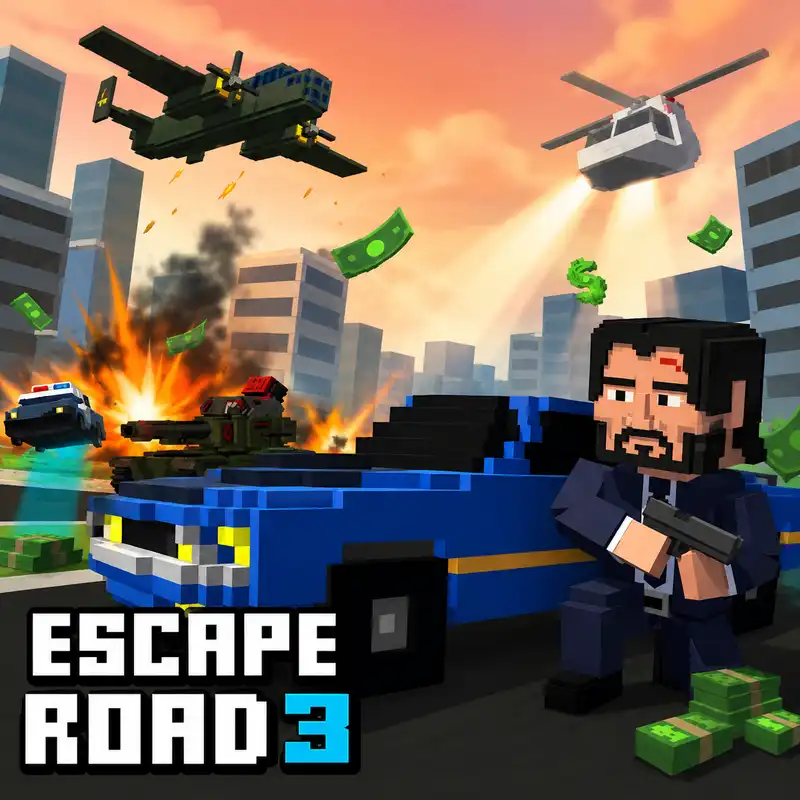
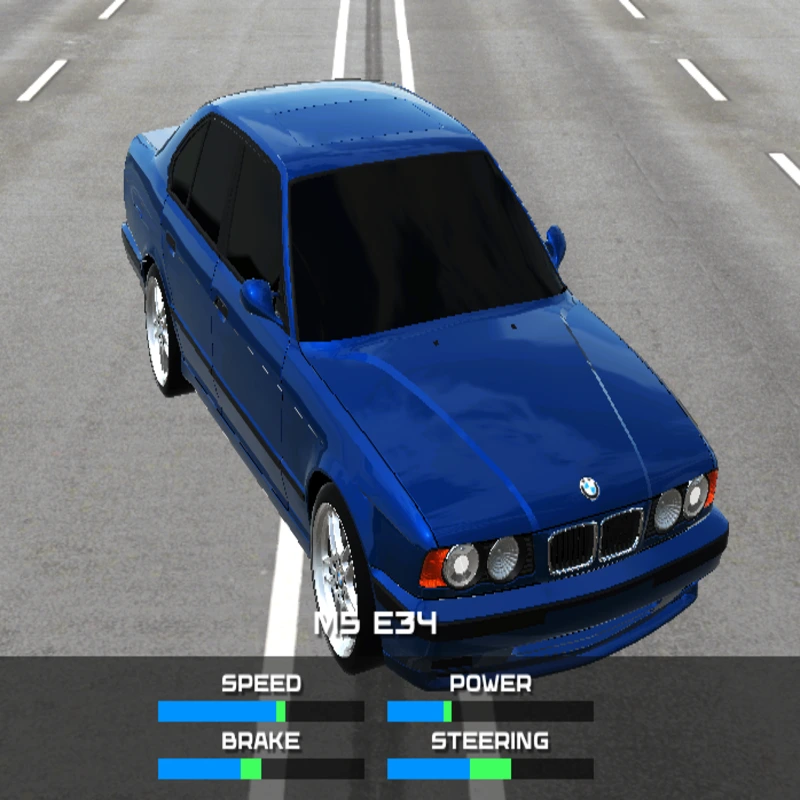
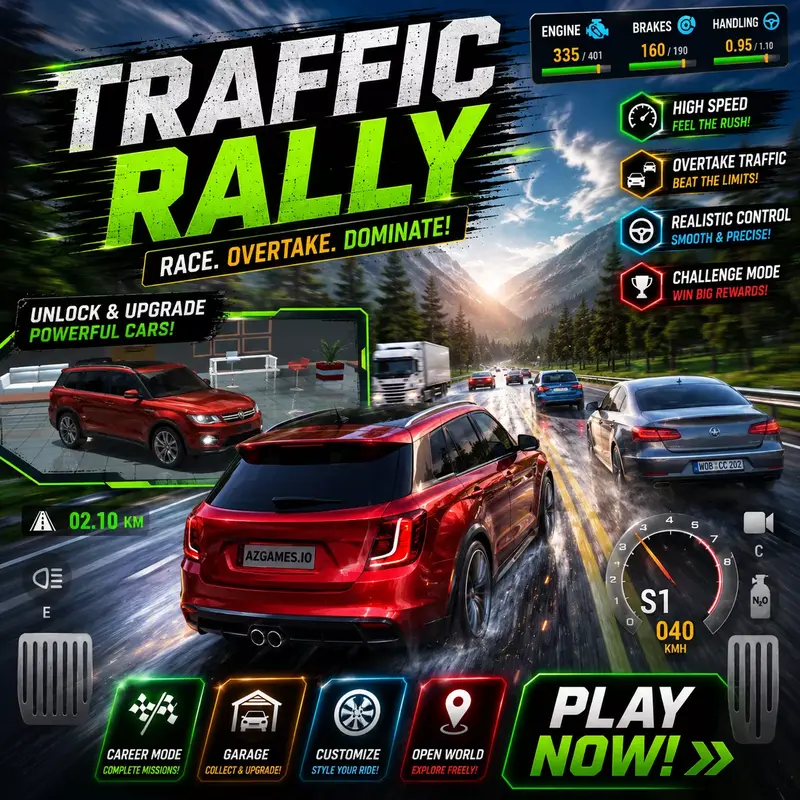
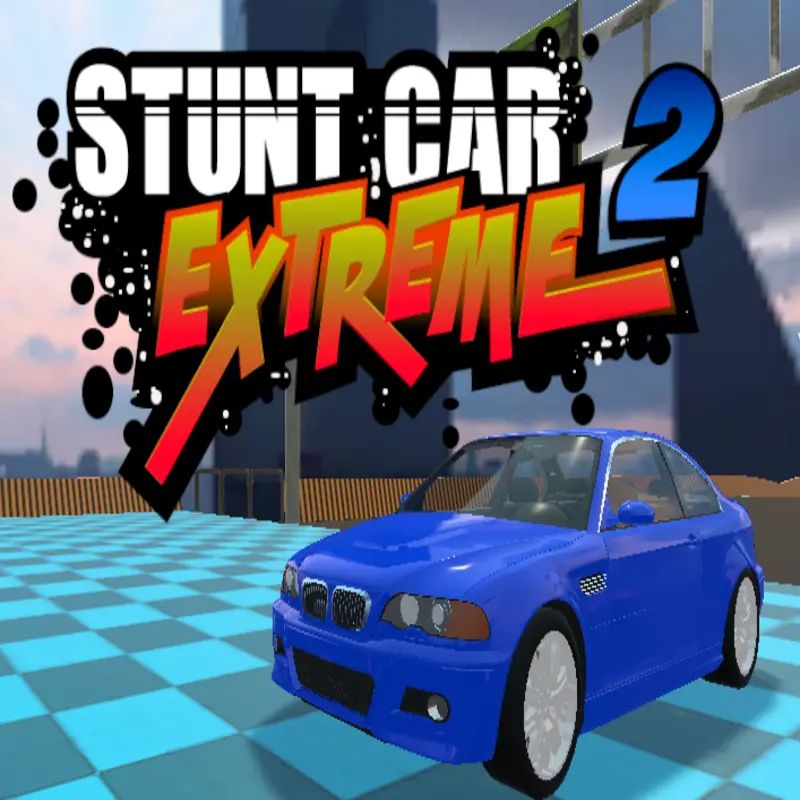
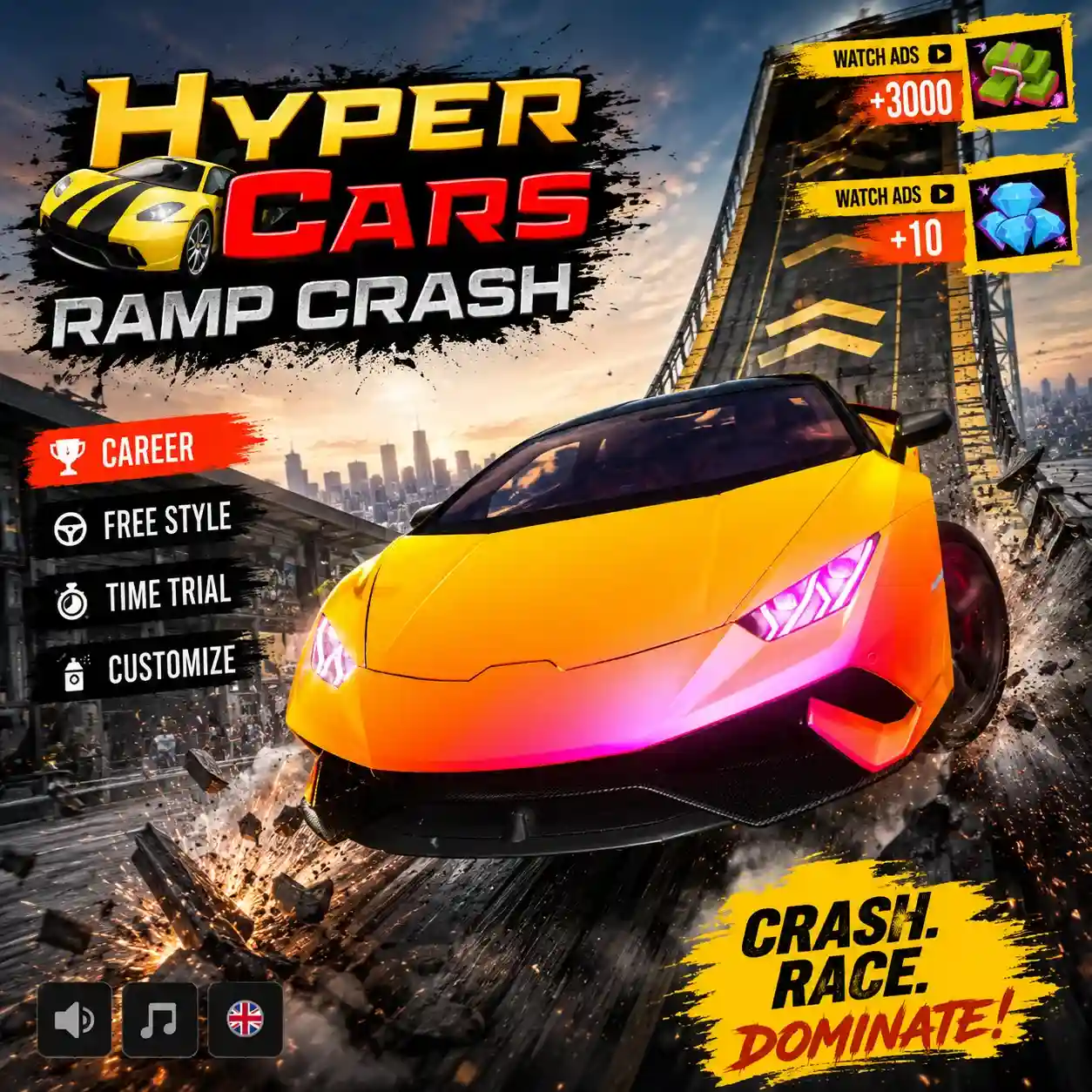
Below the Hot row, the New Games section is where the most recently added titles land before they've had time to prove themselves one way or the other. As of the latest update, that list includes Escape Raid andBlacktop Police Chase on the pursuit side, Escape Road 3 continuing the winter-chase lineage,ATV Ultimate Offroad, Up Hill Racing, and Riders Downhill Racing filling out the off-road end, Stunt Car Extreme 2 and Hyper Cars Ramp Crash on the stunt side, andM5 Traffic Racer and Traffic Rally joining the traffic category.
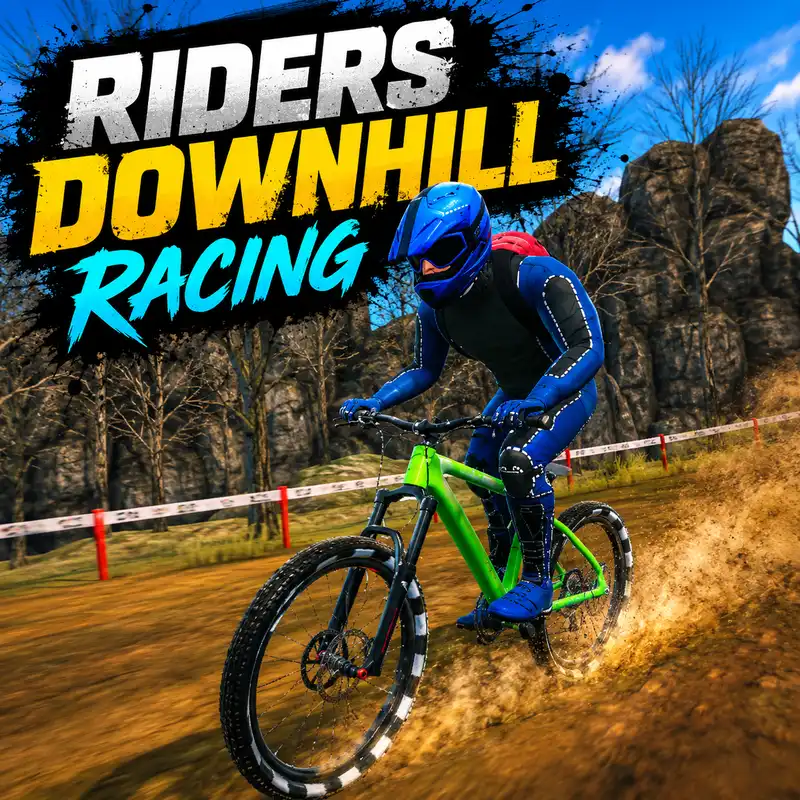
A few of these are worth a specific mention. Riders Downhill Racing is less about beating opponents and more about controlling descent speed down terrain that's actively trying to throw the bike off balance — closer in spirit to the balance-focused feel of Wheelie Master than to a typical race.ATV Ultimate Offroad takes the off-road racing format and widens the track enough that line choice matters as much as raw acceleration, which isn't always true of games in this category.Blacktop Police Chase packs its city blocks tighter than Escape Road 3 does, trading the winter title's traction problem for a straightforward density problem instead.
Because this section refreshes on a rolling basis rather than in scheduled batches, there's no fixed release day to plan around — checking in periodically is really the only way to catch a title early, before it's had the chance to move into the Hot row on its own.
What's Actually in the Library
Stunt
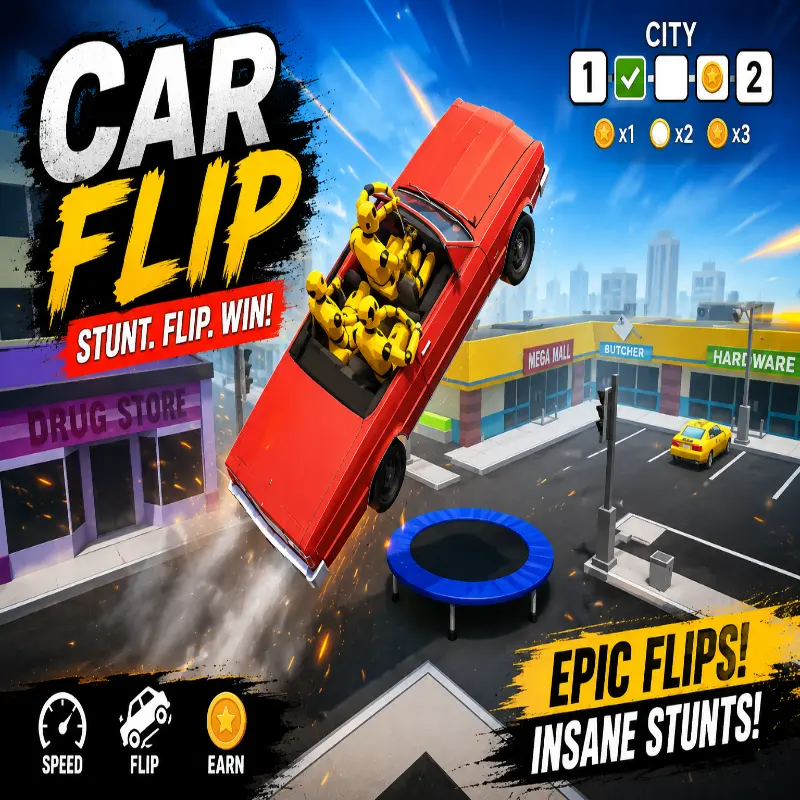
Mega ramps, hard landings, and courses where one bad approach sends the whole run sideways. Trial Mania and Monster Truck High Speed build obstacle runs where momentum matters as much as speed — carry too little into a jump and you're short, carry too much and you're overshooting the landing pad. Ramp Xtreme and Stunt Car Extreme 2 push the jumps bigger and the margin for error smaller. Car Flip does exactly what it says on the label.
Drift
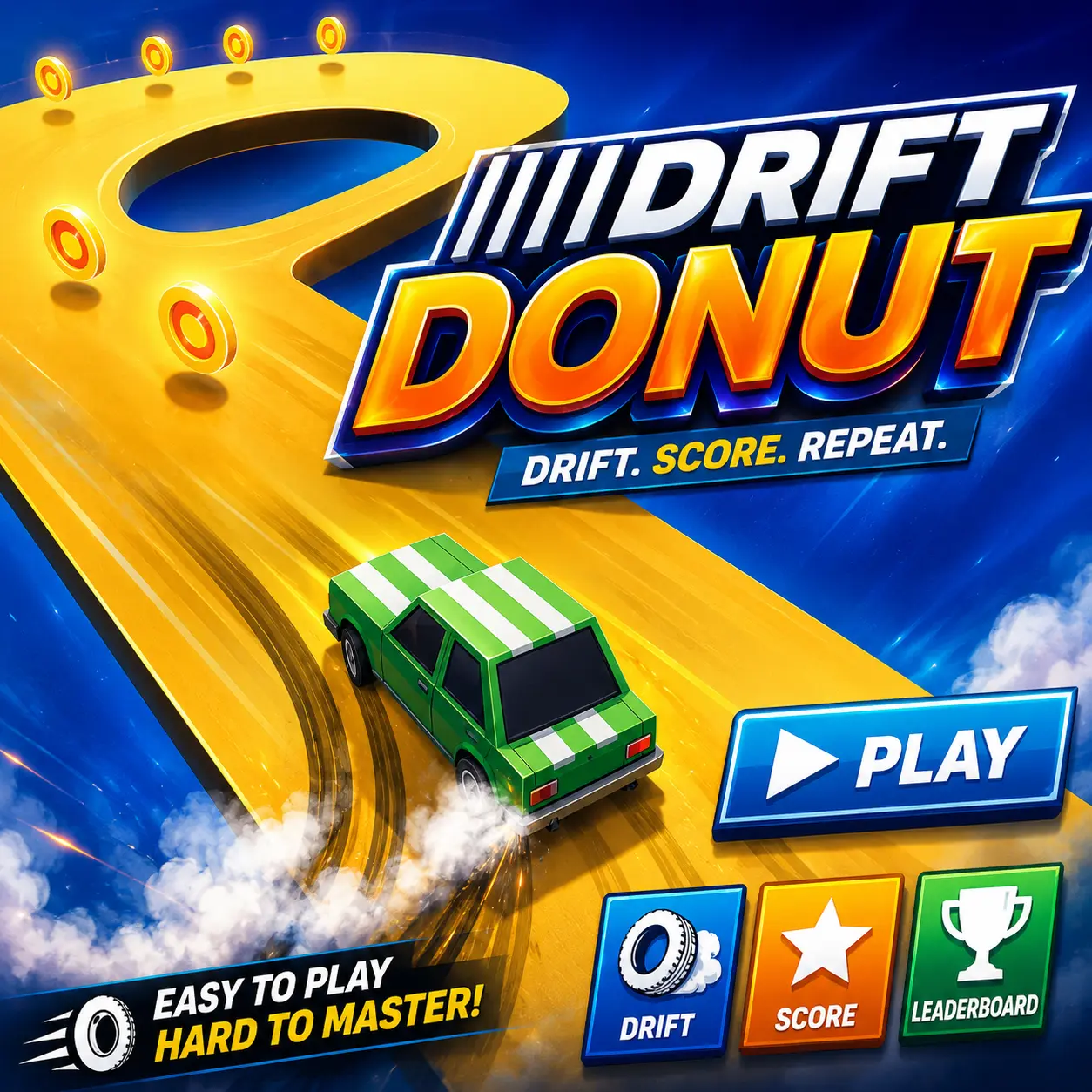
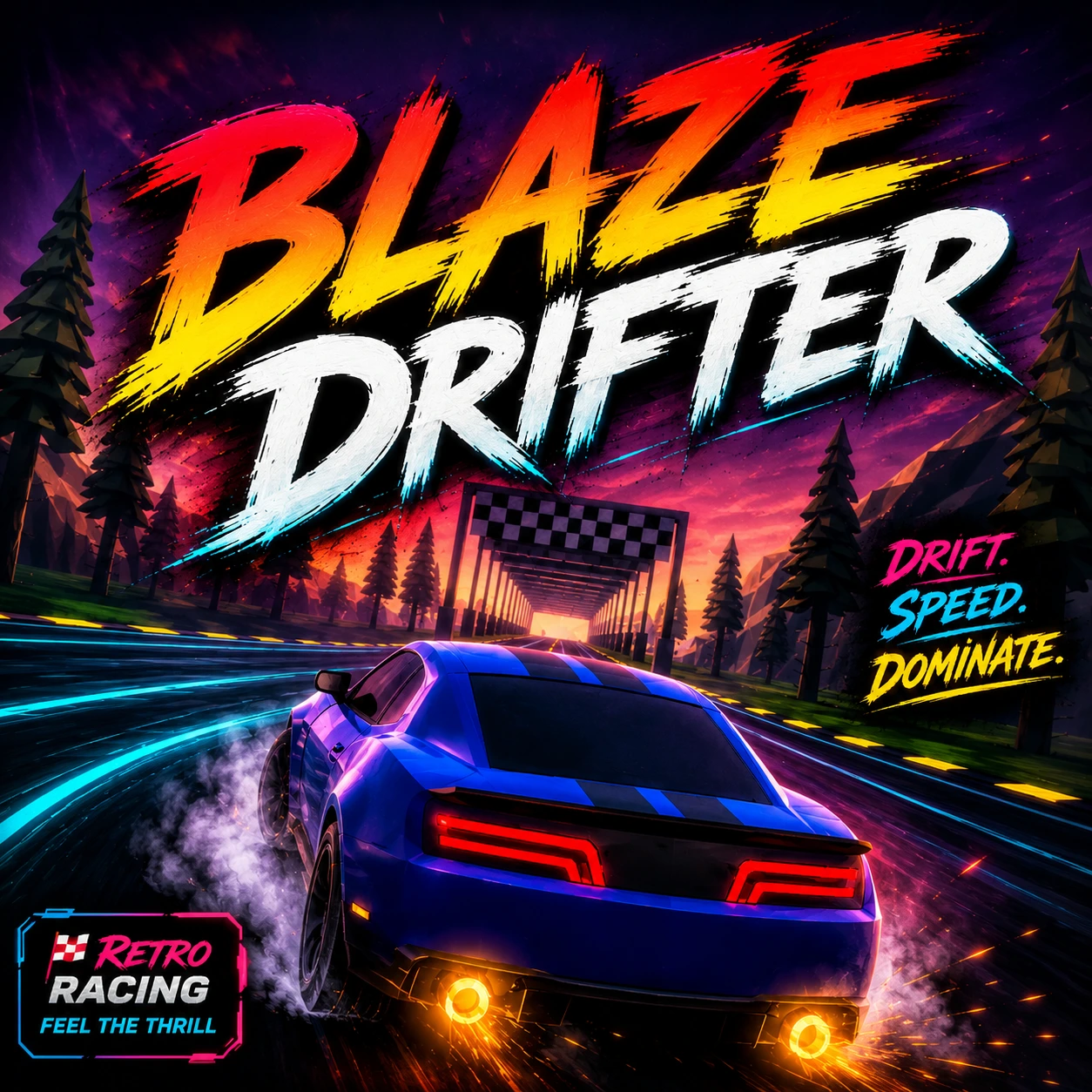
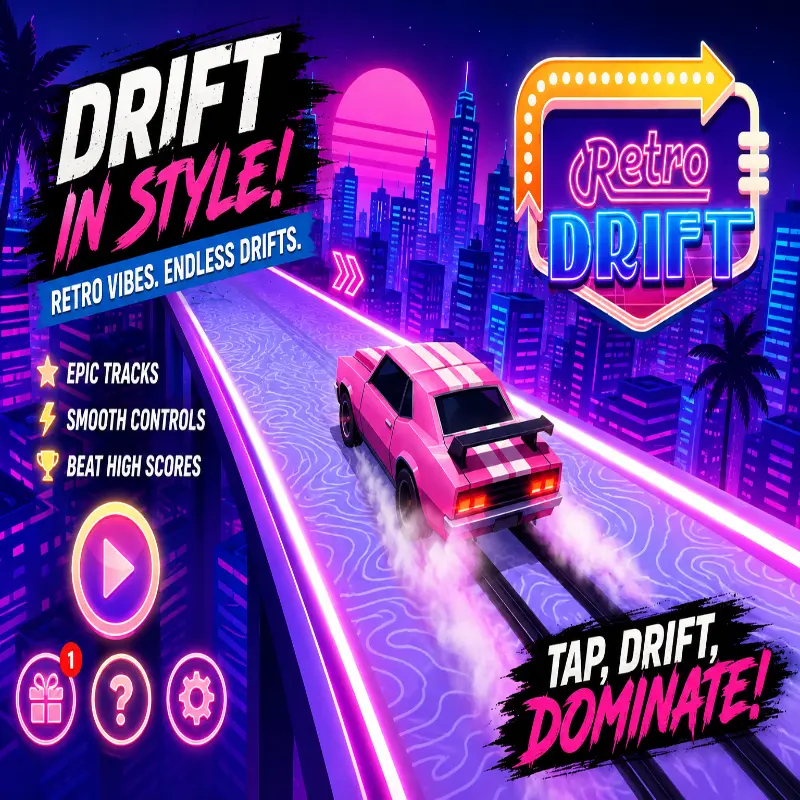
Charger City Driver and Drift Escape are the anchors here — long courses built entirely around holding an angle through a corner without spinning out. Drift Donut and Retro Drift tighten things up with technical, close-quarters layouts where a wide line just doesn't work. Blaze Drifter, Drift 3, and Drift Road round the category out with their own track shapes, but the actual skill — easing off the throttle at the right moment, not fighting the slide once it starts — is the same test every time.
Racing
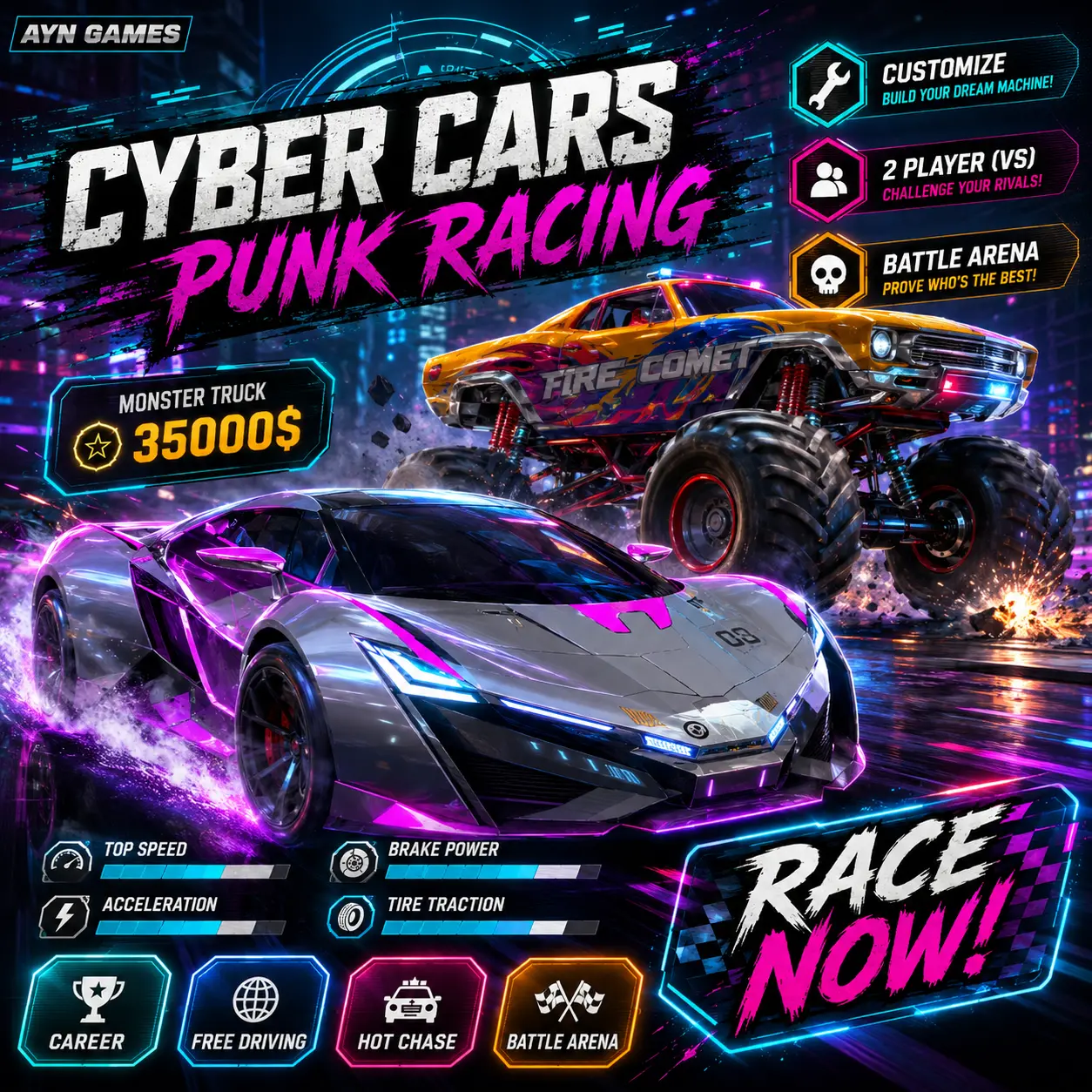
Escape Drive and Unlim Racing are straightforward: beat the clock, beat the other cars. Grand Extreme Racing and Crazy Grand Prix add more track and more opponents. Battle Karts and Cyber Cars Punk Racing swap in different vehicles and settings without changing the core loop. Riders Downhill Racing and ATV Ultimate Offroad blend the racing format with terrain that fights back.
Traffic Racing
The road isn't empty in these — that's the whole game. Overtake X and M5 Traffic Racer put you in dense highway traffic where the gap you're aiming for is closing as you approach it. Traffic Rally and Racing Go layer in checkpoints and rally structure on top of the same dodge-and-weave core.
Car
The catch-all category, and a decent starting point if you don't know exactly what you're after yet. Super Drive, Night City Racing, and a rotating mix of racing, stunt, and traffic titles sit here side by side rather than locked into one genre. It's less a category with its own identity and more a cross-section of the whole site — useful if you want to sample a bit of everything in one place before committing to a specific genre page.
Bike & Off-Road
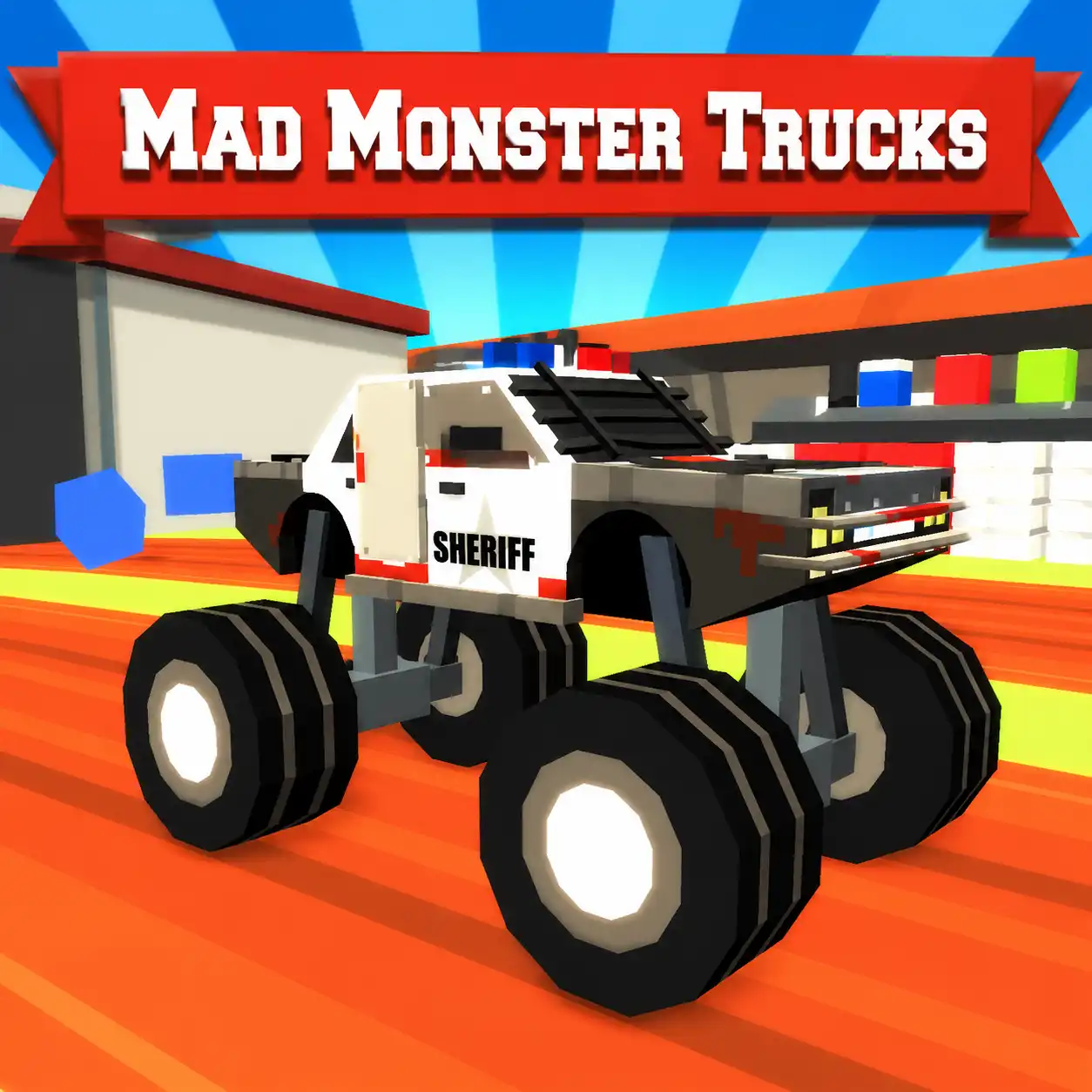
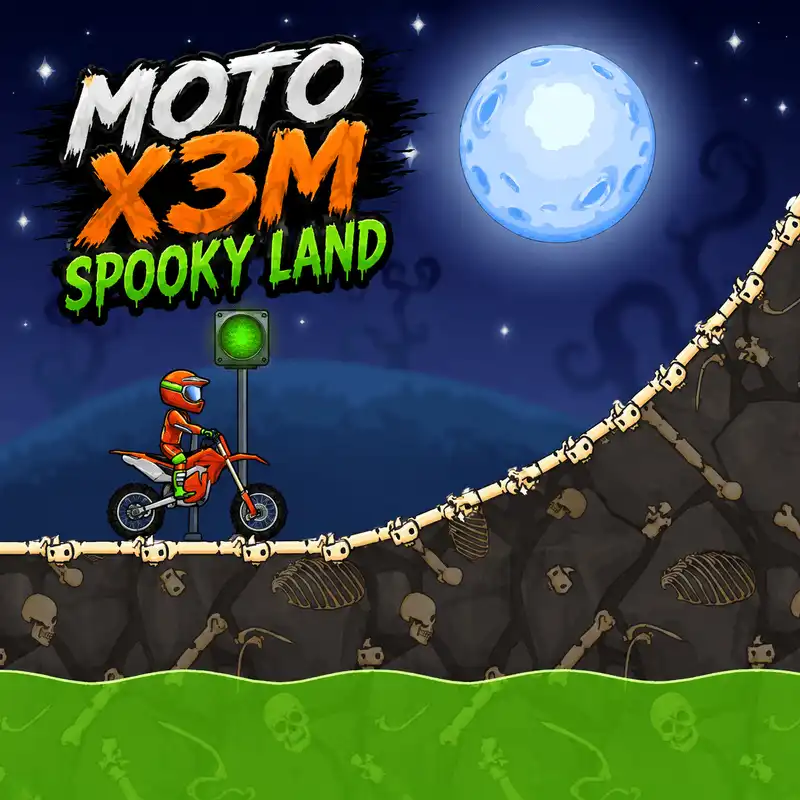
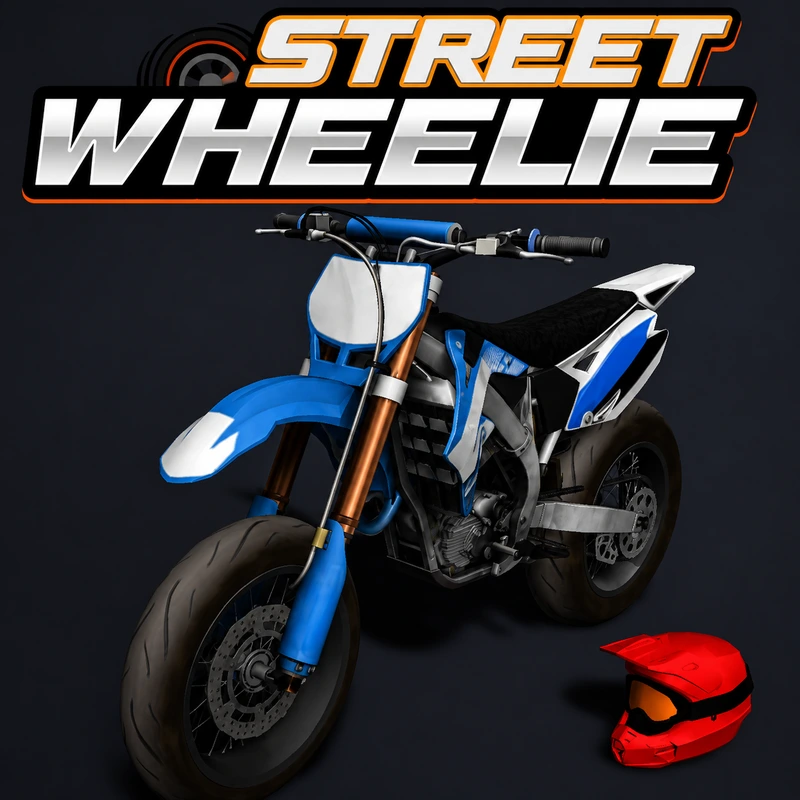
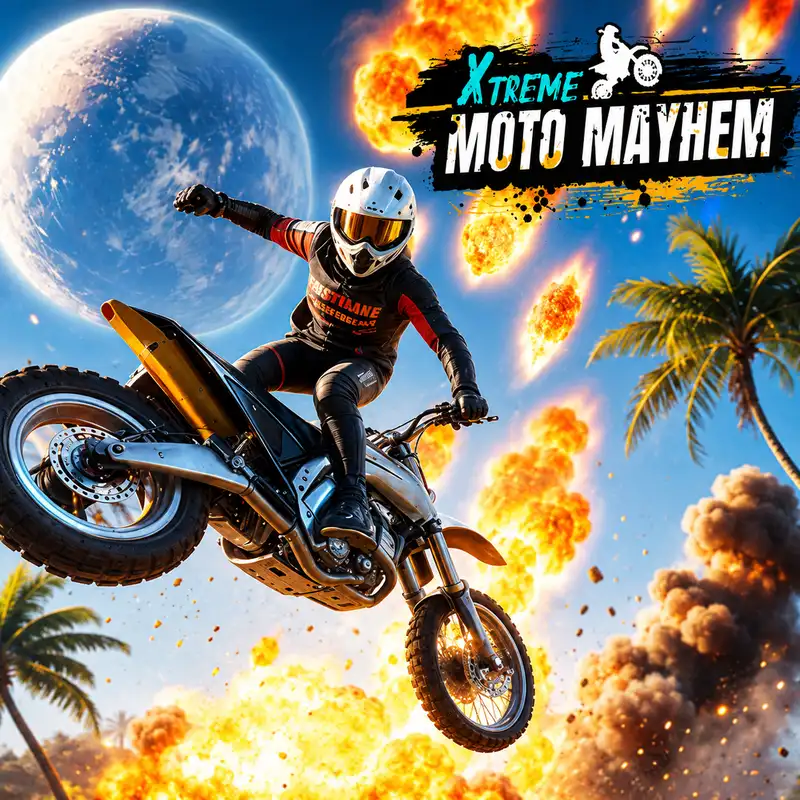
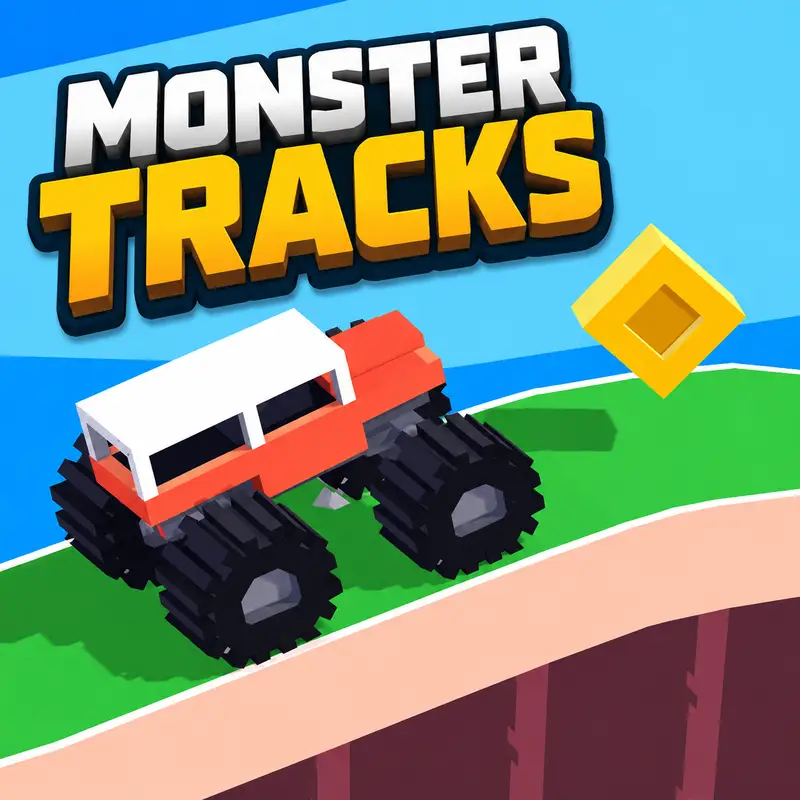
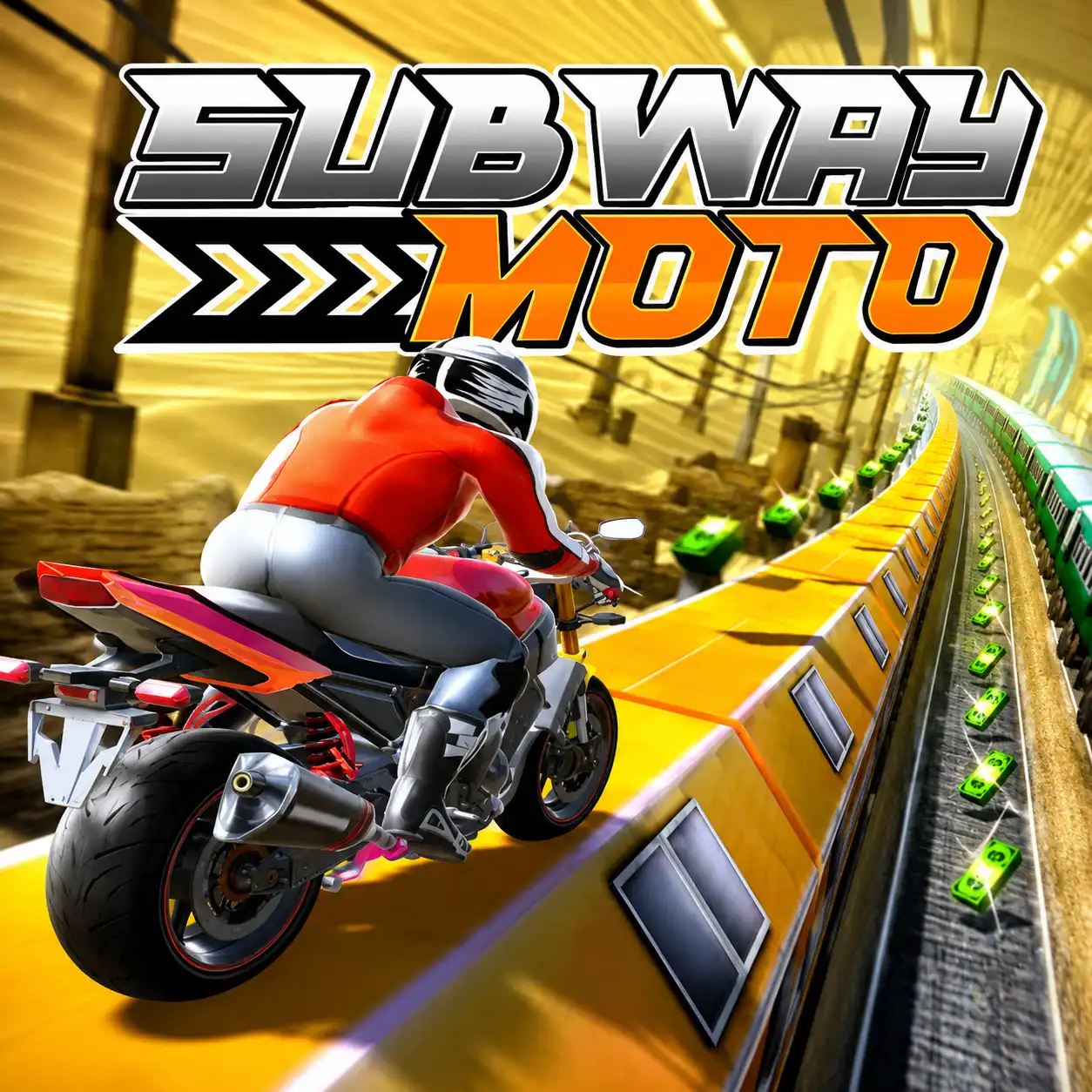
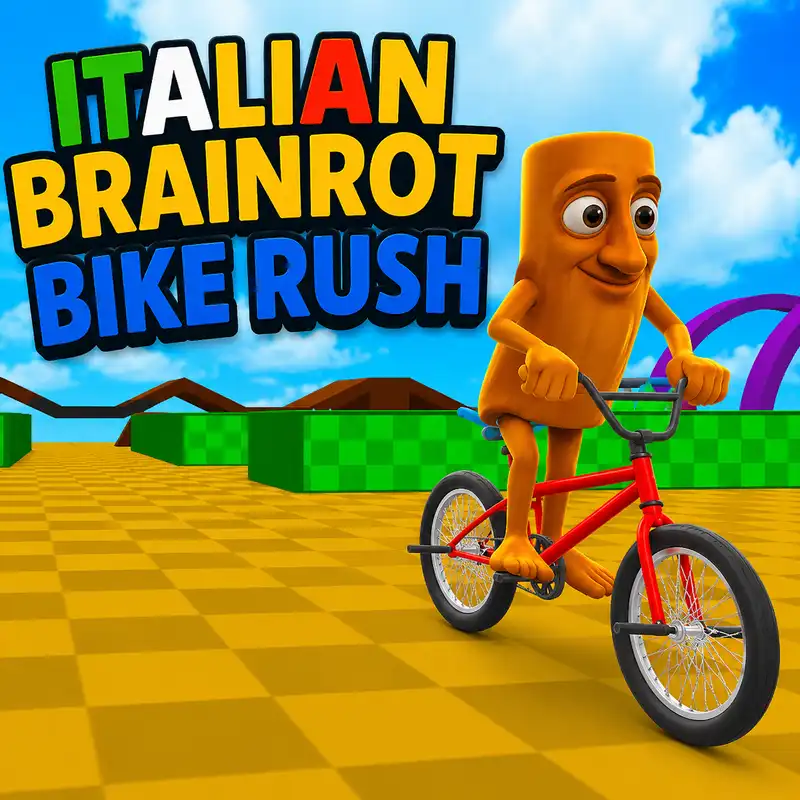
Two wheels instead of four, and terrain that was never meant to be driven fast. Xtreme Moto Mayhem and Moto X3M Spooky Land are jump-heavy motocross runs through dirt courses with the same approach-angle logic as the stunt category, just on a lighter, more tippy vehicle. Wheelie Master, Street Wheelie, and SoFlo Wheelie Life strip speed out of the equation almost entirely and test balance instead — the goal in these is holding the front wheel up for as long as possible without dumping the bike. Mad Monster Truck goes the other direction entirely — big tires, crushed obstacles, no finesse required, just enough torque to climb over anything in the way. Up Hill Racing and Trial Mania test how far a vehicle can climb before physics wins, and newer additions like Monster Tracks, Subway Moto, Obby on a Bike, and Italian Brainrot Bike Rush keep bringing different course shapes into the same terrain-first idea.
Police Chase
Short, tense, and usually over fast. Escape Road 3 and Escape Road Winter build pursuit into the course itself — the winter version adds ice on top of everything else you're already dodging. Blacktop Police Chase and Escape Raid pack the city streets tight enough that one wrong turn ends the run. If you want a two-minute adrenaline spike instead of a longer session, this is the category.
Where to Start If You've Never Played Here
If you're staring at the category menu and not sure where to click first, a few titles make good entry points precisely because they don't punish a first attempt.
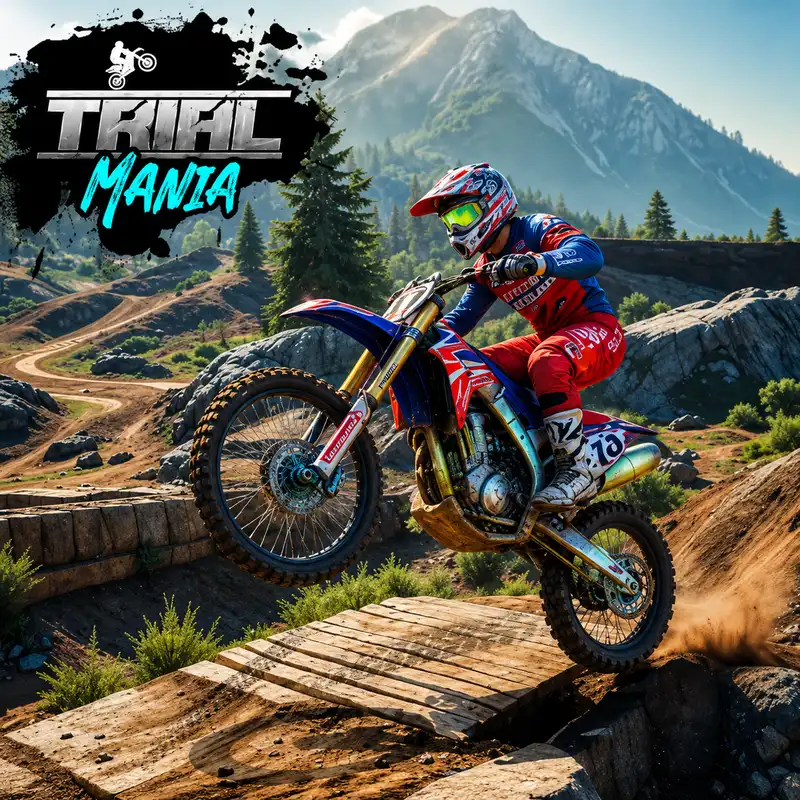
For stunt, Trial Mania is the friendlier of the mega ramp courses — the obstacles are spaced out enough that you can learn the approach-and-land rhythm without three jumps stacked back to back demanding perfect timing every time. Once that clicks, Ramp Xtreme is the harder version of the same idea.
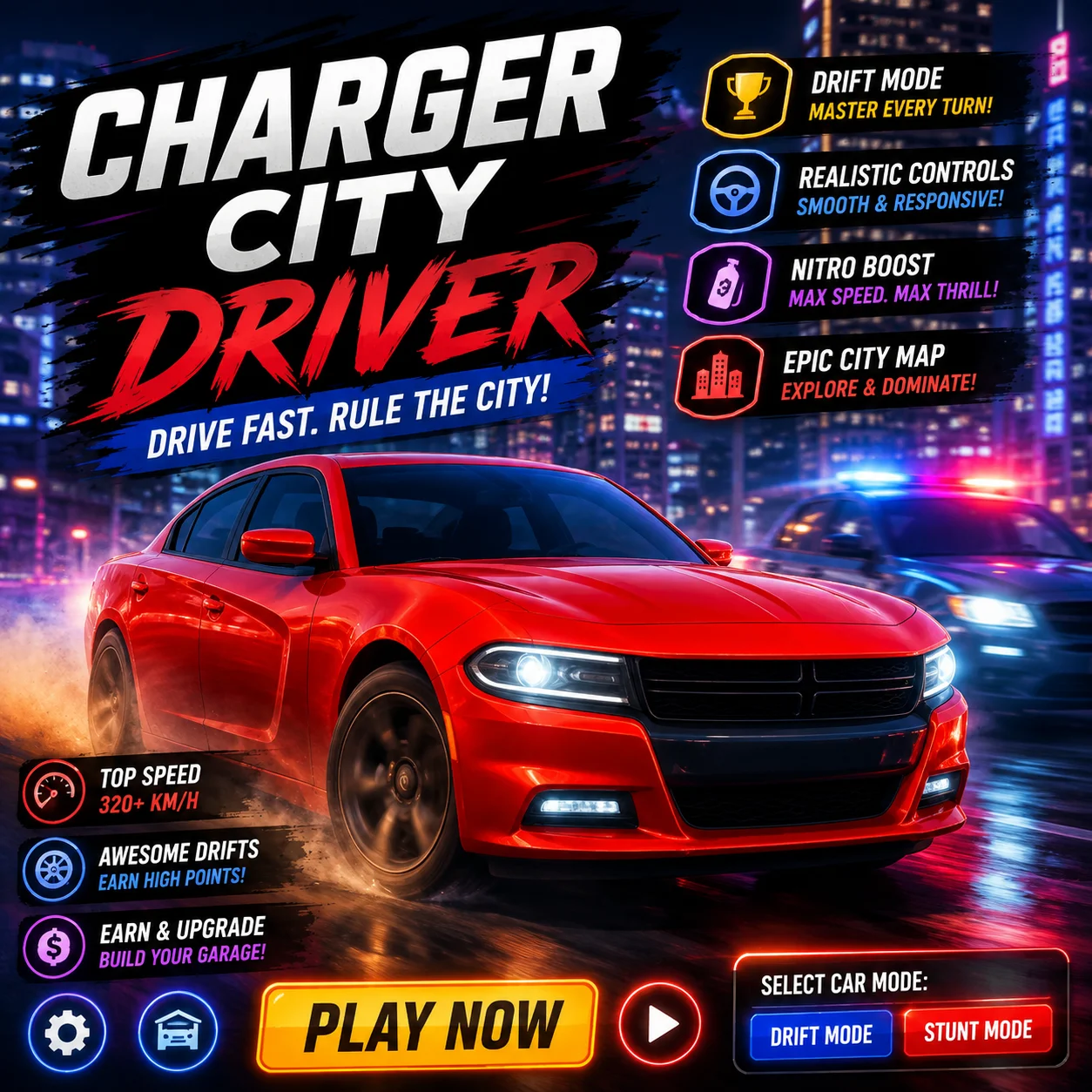
For drift, Retro Drift is a shorter, tighter course that teaches the throttle-release timing without asking you to hold an angle for half a minute straight. Charger City Driver is the longer test once you've got the basic feel down.
For straight racing, Escape Drive keeps the track layout simple enough that you're competing against your own lap time more than fighting the course itself — a better first pick than something like Grand Extreme Racing, which throws more opponents and a busier track at you right away.
For traffic racing, Racing Go eases you into weaving through cars before Overtake X, which runs denser traffic at higher speed and punishes hesitation more directly.
None of this is a hard rule — plenty of players jump straight into the hardest course in a category and figure it out through repetition. But if the goal is getting a feel for how a category plays before deciding whether it's for you, these are the lower-friction starting points.
How the Site Is Organized
Two labels do most of the work here: Hot and New. Hot means a game has already pulled in players — a reasonable place to start if you don't know the library yet. New means it just went up, whether or not it's picked up traction yet. They overlap plenty; a game can land as New on a Monday and be sitting in Hot by Friday.
Category pages exist so you're not scrolling past forty stunt games to find a drift track. The menu at the top splits everything by genre, and each category page only shows what belongs there — click Drift and you get drift games, not a mixed grid you have to sort through yourself.
Favoriting a game saves it for next time. It's not required, there's no account behind it, it's just a shortcut if you've got two or three you keep coming back to.
Getting Into a Game
Head to a category if you know what you want, or start with Hot Games if you don't. Click a thumbnail, give it a couple of seconds to load, and you're in. Controls show up on-screen before or as the game starts — arrow keys or WASD on a keyboard, a touch pad or on-screen wheel on a phone. No sign-up screen sits between you and any of it.
Getting Better at These Games
A few things separate a clean run from a wasted one, and none of them are complicated once you notice them.
Jumps go wrong before you leave the ramp, not after. Speed and angle going in decide the landing — come in too hot and you overshoot, too slow and you're short. Watching the approach matters more than reacting mid-air ever will.
Drifting is a throttle problem, not a steering problem. Ease off before the corner and the slide sets up on its own. Try to correct it hard once you're already sliding and you'll usually spin instead of straighten out.
Restart fast instead of trying to save a bad run. These games are built around short attempts — a five-second reset almost always beats a slow recovery from a mistake three-quarters of the way through a course.
In traffic and straight racing, line beats speed. A wider entry into a corner that lets you carry a straight exit will out-lap late braking and a cut apex more often than not.
Give a new game a minute before deciding it feels off. Every title handles acceleration and steering a little differently — some lean arcade, some carry more weight and momentum. What feels unresponsive in the first ten seconds usually clicks once you've adjusted to it.
What Separates a Good Course From a Forgettable One
Not every track in a library this size hits the same way, and it's usually down to a handful of design choices rather than raw difficulty.
The best stunt courses space obstacles out so each jump has its own rhythm — enough distance between a landing and the next takeoff that you're not still correcting from one jump when the next ramp arrives. Courses that bunch obstacles too tightly tend to feel less like skill and more like memorization, since there's no time to react to anything, only to have already known it was coming.
The strongest drift tracks vary corner radius rather than repeating the same angle turn after turn. A course built entirely out of identical hairpins gets predictable fast; one that mixes a long sweeping bend with a tight switchback right after forces a real adjustment in throttle and steering rather than letting you settle into one rhythm and repeat it.
In traffic racing, the difference usually comes down to how traffic density scales through a run. A track that dumps maximum car density on you from the first second doesn't leave room to build up any read on the road — the better ones ease the pressure in gradually, so by the time it's genuinely dense, you've already picked up the habit of scanning ahead instead of reacting car by car.
And in police chase and escape-style games, pacing matters more than raw obstacle count. A chase that's uniformly intense from start to finish tends to blur together, while one with a short breather before the next escalation actually makes the tense sections land harder, since there's contrast to notice them against.
Where Runs Actually Go Wrong
It helps to know what's actually costing you a run, because it's rarely the thing it looks like in the moment.
In stunt courses, most failed landings trace back to the second before the jump, not the jump itself. Braking too late into the ramp, or hitting it slightly off-center, throws off rotation in a way that's nearly impossible to correct once you're airborne. The fix isn't a better mid-air recovery — it's a cleaner approach.
In drift courses, the most common mistake is treating the handbrake as the whole mechanic. Yanking the handbrake into every corner works for the first one or two turns of a course and then falls apart on anything longer, because it kills your speed along with the slide. The courses that reward smooth, chained drifts are testing throttle control through the corner, not how hard you can pull the handbrake at the entry.
In traffic racing, the run usually ends from looking at the car directly ahead instead of the gap two or three cars further up. By the time a close call in front of you registers, there often isn't room left to react. Scanning further ahead buys the half-second you need to pick a lane before you're forced into one.
In police chase games, panicking and slowing down is almost always worse than committing to a line and holding speed through it — these courses are built assuming you're moving fast, and slowing down to "be careful" through a tight section usually just gives the chase more time to close the gap.
Same Games, Any Screen
Desktop uses a keyboard — arrows or WASD, plus a separate key for handbrake or boost where the game has one. Phone and tablet switch to touch automatically: a virtual wheel or D-pad, tap buttons for jumps and drifts. It's not a stripped-down mobile version of the desktop game — it's the same build, same physics, different input method.
Start a run on a laptop at lunch, pick a different game up on your phone that evening — nothing to sync, since most of these are single-run games rather than long save files you'd need to carry between devices. Heavier scenes, like a traffic racer with a lot of cars on screen at once, will run a bit smoother on newer hardware, but the library is built to stay playable on ordinary devices, not just top-end ones.
A Closer Look at a Few Hot Titles
A handful of games in the Hot row are worth calling out specifically, since they each do something the rest of their category doesn't quite match.
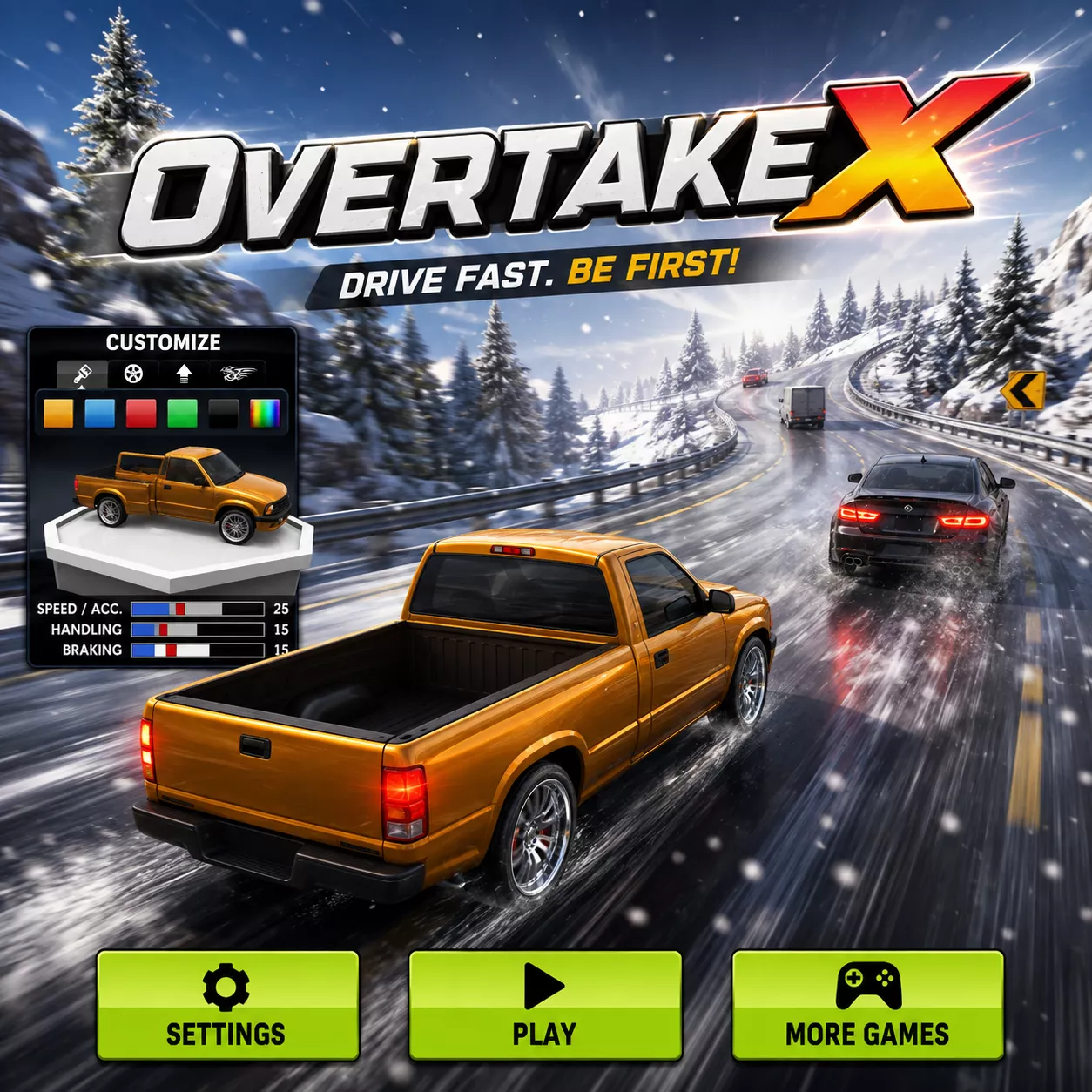
- Overtake X takes traffic racing and turns the density up past what most games in the category attempt — cars stacked close enough that picking a lane a beat too late costs the run. It's the clearest example on the site of traffic racing built around anticipation rather than reaction time.
- Monster Truck High Speed blends the stunt category's big-jump instinct with an off-road vehicle that handles nothing like a car — more weight, more momentum, and landings that punish a rushed approach harder than a lighter stunt car would.
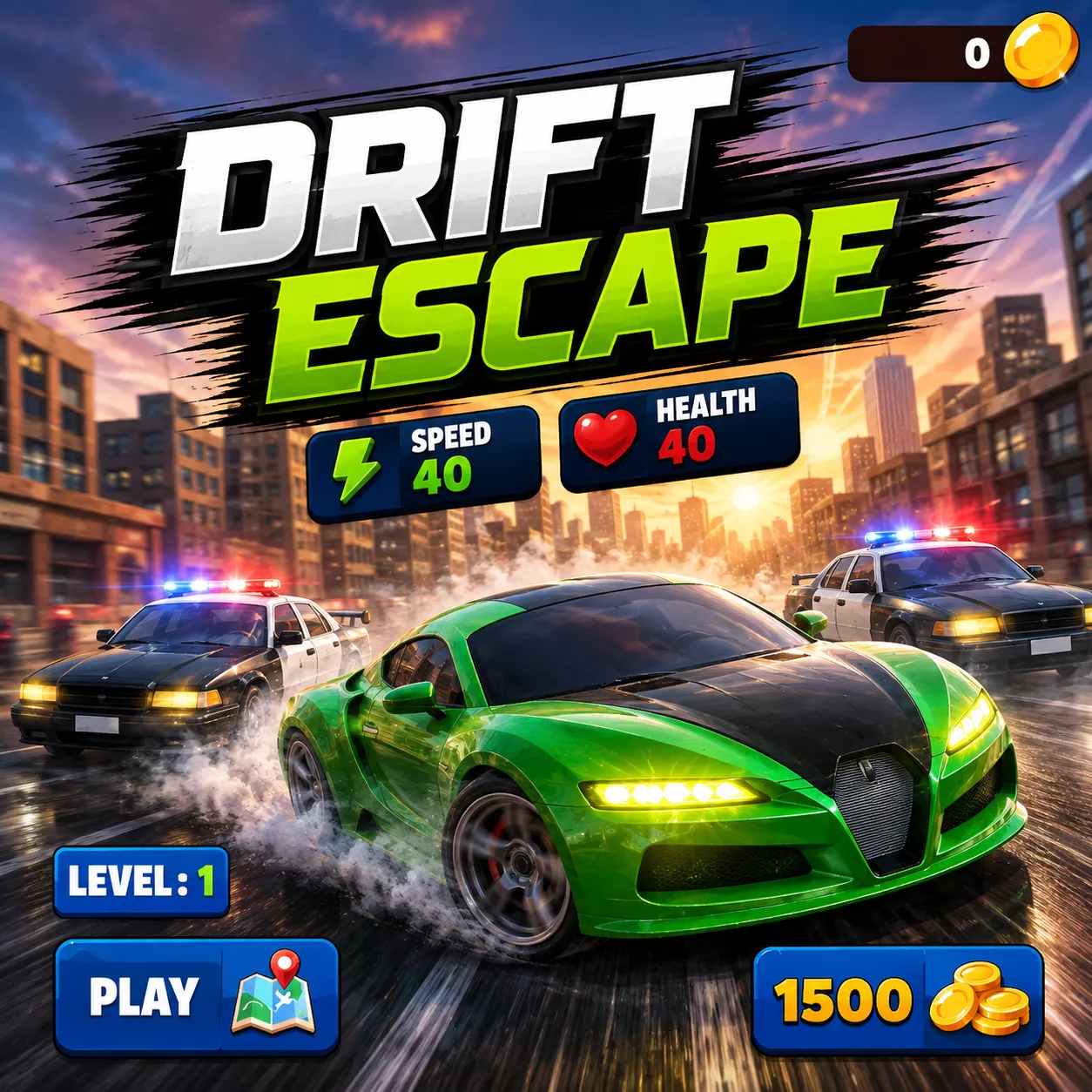
- Drift Escape doubles as both a drift game and a light pursuit game, which is a combination that doesn't show up often — holding a clean drift line while something is closing in behind you changes the calculation on when it's worth sacrificing an angle for raw speed.
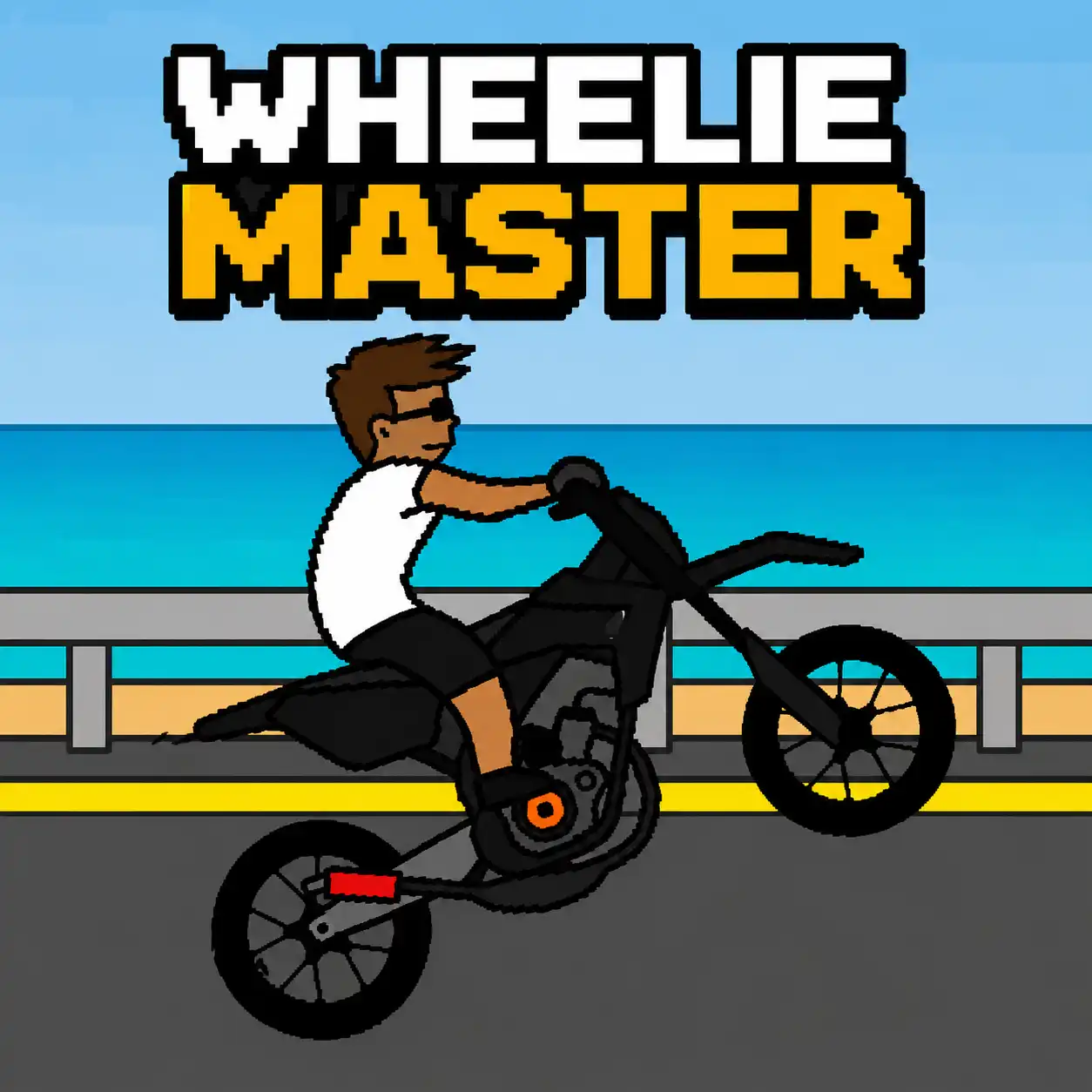
- Wheelie Master is the purest test of balance in the whole library — no obstacles to dodge, no opponents to beat, just the challenge of keeping a bike's front wheel up for as long as possible before gravity wins. It's a simpler premise than almost anything else on the site, and that simplicity is exactly why it's stayed popular.
- Escape Road Winter takes the police chase format and adds reduced traction on top of everything else already happening — the same instincts that work in Escape Road 3 don't fully transfer here, since braking distances and cornering grip both change once the surface stops cooperating.
None of these are necessarily harder than the rest of their category. They're just the ones that lean furthest into what makes their particular genre distinct, which tends to be why they end up in the Hot row in the first place.
Available in More Than One Language
The site isn't just an English-language page with everything else bolted on — the interface is available in thirteen additional languages, including Spanish, German, French, Portuguese, Finnish, Norwegian, Danish, Swedish, Korean, Dutch, Italian, Russian, and Japanese. Switching languages is a click from the menu, not a separate site or a redirect to a different domain, and the category structure — Stunt, Drift, Racing, Traffic Racing, Bike, Off-Road, Police Chase — stays consistent no matter which language you're browsing in.
That matters more than it might seem for a game library like this one, since stunt and drift games don't lean heavily on dialogue or text to begin with — the driving is the same regardless of language — but the menus, category names, and site navigation being properly localized rather than machine-translated on the fly makes the difference between a portal that feels built for a global audience and one that's clearly only designed with a single market in mind.
The Rotation
Nothing here sits static. New stunt runs, drift tracks, racers, and off-road titles land on a rolling basis — recent adds include M5 Traffic Racer and Traffic Rally on the traffic side, Hyper Cars Ramp Crash and Car Flip in stunt, Monster Tracks and Subway Moto in off-road, Drift 3 and Drift Road in drift. Each one gets the New tag the moment it's up, so you don't have to compare today's grid against last week's from memory.
If you burn through a favorite in one sitting, there's usually something else already up by the time you're back. The New Games page is the fastest way to see what's changed since your last visit without clicking through every category one at a time.
Difficulty and Feel
None of these games are trying to be racing simulators, and none of them are pure arcade either, where steering is a coin flip and speed is the only stat that matters. They sit in between on purpose. Approach speed into a jump changes the landing. Throttle timing changes whether a drift holds or spins. But a slightly late jump doesn't end your run outright the way it would in something built for realism first.
That middle setting is why drift games in particular reward repetition even when nothing about a course changes between attempts. The gap between a clean slide and a spin usually comes down to something small and early — how much throttle you released, how soon you started correcting — not anything dramatic you can see coming. Play it enough times and that timing stops being a guess.
The categories don't all sit at the same point on that scale, either. Stunt and mega ramp courses lean a bit more forgiving, since a run that ends on the first mistake with no room to recover would burn through patience fast. Traffic racing sits closer to the punishing end, since the whole point is that one bad gap costs you the run — softening that would remove the tension the category is built around. Drift courses land somewhere in the middle, forgiving enough that a slightly early correction doesn't always end in a spin, but not so forgiving that button-mashing the handbrake gets you through a technical course.
Building a Session Around How Much Time You Have
Not every visit needs the same amount of time, and the library works fine either way.
Two or three minutes. A single police chase run or a short drift track like Retro Drift fits into almost any gap — waiting on something to load elsewhere, a break between tasks, the last few minutes before you need to be somewhere. These are built to be over quickly whether you succeed or fail.
Ten to fifteen minutes. Enough time to run a stunt course like Trial Mania a handful of times, chasing a cleaner landing on each attempt, or to work through two or three different games in the Hot row without settling into just one. This is roughly where most sessions on a site like this actually land.
An hour or more. Enough time to move through an entire category — every drift track back to back, say, or working from the easier stunt courses up to something like Ramp Xtreme once you've built up the timing. It's also enough time to check the New Games page properly and try everything that's landed since your last visit, rather than just skimming the thumbnails.
None of these need planning ahead. The whole point of a library built around short, self-contained games is that the session length adjusts to however much time actually shows up, not the other way around.
Who's Actually Playing These
People killing five minutes between things. People who like the feel of a stunt or drift game but don't want the learning curve of a full sim. Anyone who'd rather not install something on a work laptop or a kid's tablet just to try it once. And plenty of repeat players chasing a better lap time or a cleaner landing than last time — the Hot and New tags exist mostly for that crowd, so they're not re-checking the same forty games to find what's changed.
There's also a fair number of players who show up for one specific category and rarely leave it — someone who only ever plays drift games probably has no interest in the police chase section, and that's fine, since the category pages are built to let a player settle into one genre indefinitely without the rest of the site getting in the way. The homepage exists for the browsing crowd; the category pages exist for everyone who already knows what they want.
Frequently Asked Questions
Do I need to download anything?
No. Every game loads in the browser tab you're already on. Close it and there's nothing left behind — no install, no update, no leftover file.
Is it actually free?
Yes. Nothing behind a paywall, no purchase needed to open a game.
Do I need an account?
No. Favoriting a game for later is there if you want it, but it's optional — you can play everything without signing up for anything.
What devices work?
Desktop, tablet, and phone browsers. Controls switch automatically — keyboard on desktop, touch controls on mobile and tablet — same game either way.
Does it matter which browser I use?
Not really. The games are built on standard web tech, so any modern browser should run them. Speed can vary slightly by browser and device, but there's no single browser required.
How often do new games show up?
Regularly, not in occasional big drops. New titles get the New tag the moment they are added, across every category, and the New Games page collects the most recent ones in one spot.
What's the difference between Hot and New?
New just means recently added — says nothing about popularity yet. Hot means players have already gravitated toward it. A game can pick up a Hot tag pretty fast after landing as New if it's good.
Are these okay for younger players?
The games are built around driving, stunts, drifting, and chase scenarios — not graphic content. Still worth a quick look at a specific title before assuming it fits a younger player, since presentation and difficulty vary game to game.
Can I play the same game on two different devices?
Yes, and there's nothing to sync — most of these are single-run games rather than titles with long save progress, so switching devices doesn't lose anything meaningful.
Why do some games take longer to load than others?
Bigger scenes take longer — a traffic racer with a lot of moving cars loads slower than a simple stunt course. Your connection and device play a part too, but the library is built to stay light overall.
Is anything collected about me while I play?
Check the privacy policy in the footer for the specifics. Since no account is needed to play, there's no personal information required just to open a game.
Who owns these games?
The original developers. This site hosts and organizes browser-playable versions of them — it's not claiming any of the games as original work. Rights questions go through the DMCA page in the footer.
A game won't load — what now?
Usually a cache or connection issue rather than the game itself. Refresh, try a different browser, or check your connection first. If one specific game keeps failing, the Contact page is the fastest way to flag it.
Can I suggest a game to add?
Yes — the Contact page in the footer is the right spot for that. New titles go up on a rolling basis, and suggestions factor into what gets prioritized.
Do I need fast internet to play?
Not really. These aren't large downloadable titles, so most of the library stays playable on an ordinary connection. A game with a lot going on visually — dense traffic, a big off-road map — might load a touch slower on a weak connection, but nothing here demands high-speed internet to run.
Do the games save my progress?
Most titles here are built around individual runs — a lap, a course, a chase — rather than a long campaign with a save file. That's part of why switching devices doesn't cost you anything: there's rarely deep progress to lose in the first place. Favorited games are the one thing that does stick around in your browser between visits.
Can I play with a controller instead of a keyboard?
It depends on the specific game and browser — some titles will pick up a connected controller automatically, others are built strictly around keyboard or touch input. If a game doesn't respond to a controller, keyboard controls will work as the fallback on desktop.
Why does a game sometimes look different from its thumbnail?
Thumbnails are usually a snapshot from one moment in a course, not the whole experience — a stunt game's thumbnail might catch a mid-air trick that only shows up a few jumps into the run, or a drift game's thumbnail might be from a later, more difficult section of the track. The core gameplay is accurate to the thumbnail; the specific scene shown just isn't always where you'll start.
Is there a way to see how a game is rated by other players before trying it?
The Hot tag is the closest signal while you're browsing — it reflects games that have already drawn strong player interest, and it's the only rating cue that appears on the thumbnails themselves. Each game page does carry a five-star control beside the title, so you can rate a game once you've played it, but scores aren't shown on the grid — the format is built around quick, low-commitment tries rather than a review-driven decision before clicking.
Is the site available in languages other than English?
Yes — thirteen additional languages are supported, including Spanish, German, French, Portuguese, Japanese, Korean, and several others, all selectable from the language menu without switching to a different site.
Can I play if I'm on a slow work or school network?
Usually, yes, since the games do not require large downloads or persistent high-bandwidth connections the way a streamed or downloaded title would. Some networks do block certain game or ad domains at a firewall level, which is a network-side restriction rather than anything the games themselves require.
Do I have to finish a course to play it again?
No — there's no requirement to complete a track before restarting it. Since most of these are built around individual attempts rather than a linear campaign, jumping straight to a restart mid-run is normal and expected, not a workaround.